Civil Rights Movement
Edmund Pettus Bridge and Selma-to-Montgomery National Historic Trail
Historic bridge in Selma, Alabama, United States
This page describes a site of documented racial violence during the Civil Rights Movement.
Overview
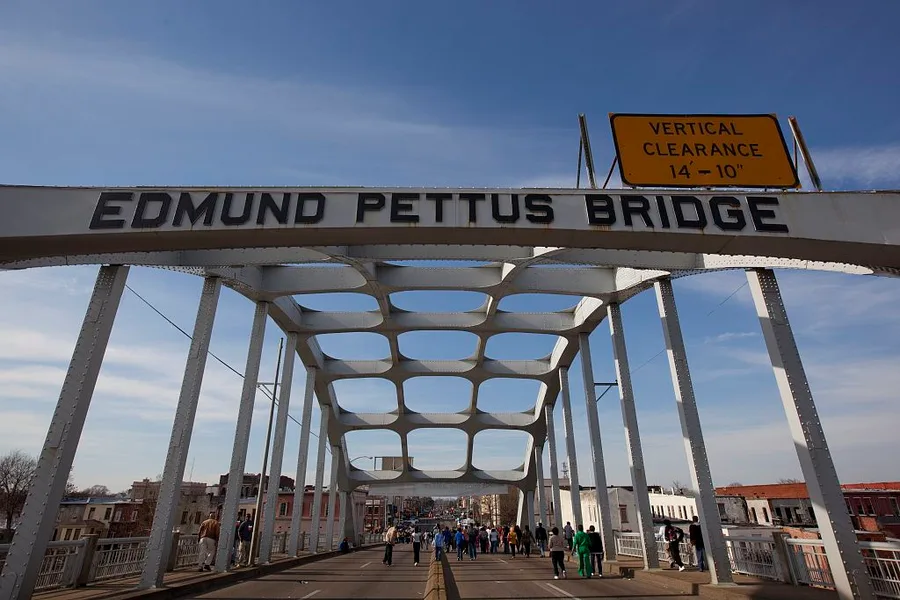
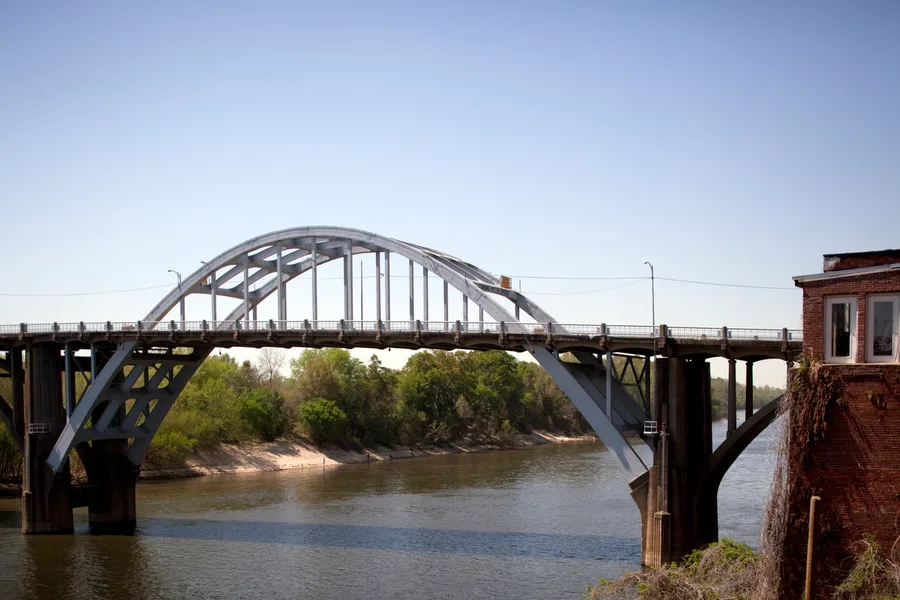
The Edmund Pettus Bridge, built in 1940, carries U.S. Route 80 across the Alabama River in Selma, Alabama. This site’s sourcing standards require stating the bridge’s namesake plainly: Edmund Pettus was a former Confederate brigadier general, U.S. senator, and Grand Dragon of the Alabama Ku Klux Klan, and according to the Smithsonian Institution, the bridge was named for him in part specifically to memorialize his record of “restraining and imprisoning African-Americans in their quest for freedom after the Civil War.” That a bridge named for a Klan leader became the site of one of the Civil Rights Movement’s most consequential victories is itself part of the history this page documents.
Bloody Sunday
On March 7, 1965 — remembered as Bloody Sunday — Alabama state troopers and local police attacked civil rights demonstrators with horses, billy clubs, and tear gas as marchers attempted to cross the bridge on their way to the state capital in Montgomery, in a march for Black voting rights. The nationally televised violence against peaceful marchers shocked the American public and built decisive political momentum for federal action; the marchers returned on March 21, this time successfully crossing the bridge and completing the full march to the Alabama State Capitol.
An Unresolved Debate Over the Name
Efforts to rename the bridge — including one timed to the 50th anniversary of the Selma marches in 2015 — have repeatedly stalled, since any change requires approval from the Alabama Legislature; John Lewis, who was beaten on the bridge in 1965 and later represented Selma in Congress, publicly opposed renaming it before his 2020 death, believing the bridge’s name should stand as a permanent reminder of what was overcome there. Support for renaming it after Lewis himself grew significantly following his death, and Congresswoman Terri Sewell, who once coauthored a statement with Lewis opposing the change, later reversed her position, saying, “We must confront and reject Alabama’s racist history and come together to implement the bold changes needed.”
Legacy
That march directly contributed to the passage of the Voting Rights Act of 1965, one of the landmark legislative achievements of the Civil Rights Movement documented elsewhere on this site, and the bridge itself was declared a National Historic Landmark on February 27, 2013, in recognition of its role in that victory. The Edmund Pettus Bridge stands today as one of the starkest physical examples in the country of a site of racial violence and intimidation becoming, through the direct action and courage of the people who crossed it, a permanent monument to the movement that overcame it.
Related
- Bayard Rustin
- Fannie Lou Hamer
- Martin Luther King Jr.
- Rosa Parks
- Thurgood Marshall
- Brown v. Board of Education National Historical Park
More in Civil Rights