Civil Rights Movement
Fannie Lou Hamer
American civil rights activist (1917–1977)
This page discusses documented violence and voter suppression Fannie Lou Hamer faced while organizing.
Overview
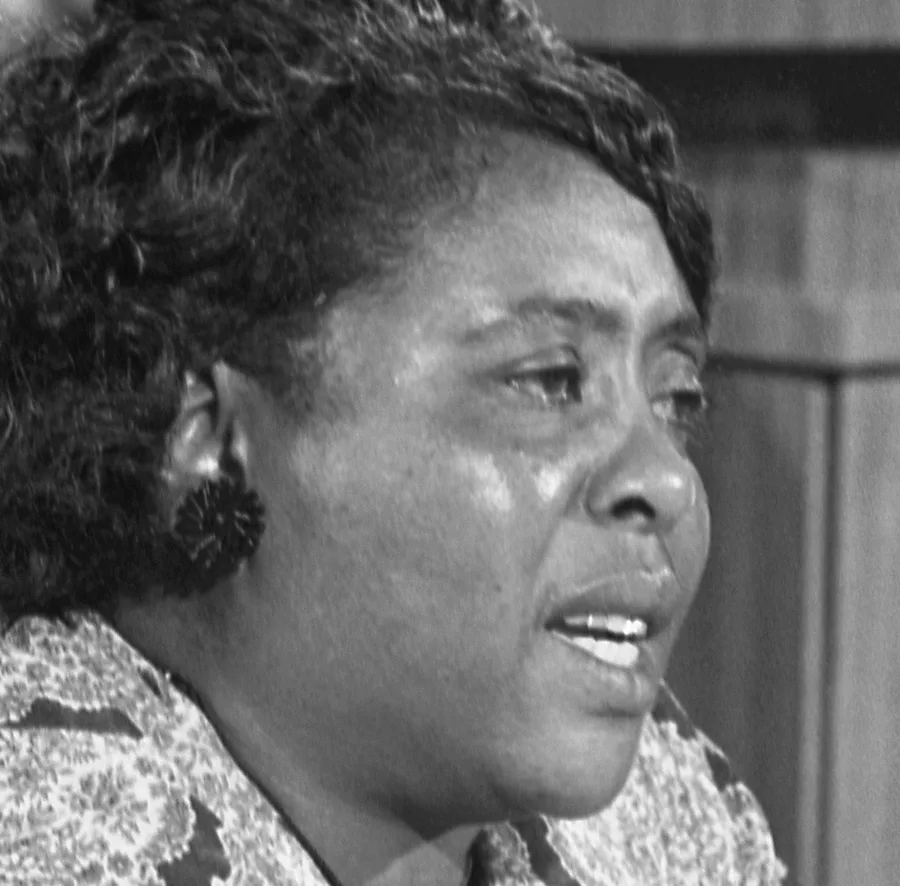
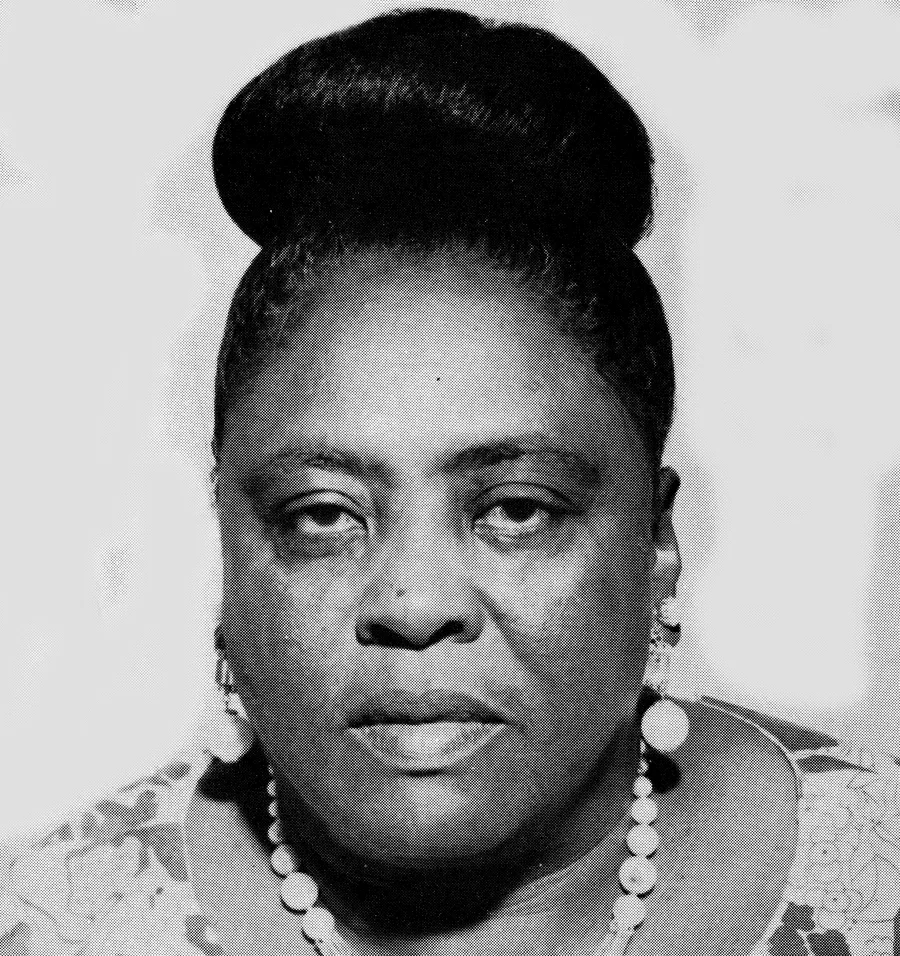
Fannie Lou Hamer, born Fannie Lou Townsend in 1917, became one of the most powerful grassroots voices of the civil rights movement, serving as vice-chair of the Mississippi Freedom Democratic Party, which she represented at the pivotal 1964 Democratic National Convention, and co-organizing Mississippi’s Freedom Summer alongside the Student Nonviolent Coordinating Committee. Hamer began her formal civil rights activism in 1962, and her organizing was distinguished by her direct use of spiritual hymns and biblical language, grounding a hard-edged political campaign in the deep religious tradition of the Black rural South she came from and spoke to directly.
From the Cotton Fields to the Movement
The youngest of 20 children born to Mississippi sharecroppers, Hamer picked cotton from age six, attended a one-room sharecroppers’ school only between picking seasons, and was forced to leave school entirely at 12 to help support her aging parents; by 13, she was picking 200 to 300 pounds of cotton a day while living with polio. In 1961, while undergoing surgery to remove a uterine tumor, Hamer was subjected to a hysterectomy without her consent — a forced sterilization Mississippi doctors performed on poor Black women so routinely that the Black community called it a “Mississippi appendectomy,” a documented act of medical violence this site states plainly alongside the era’s better-known forms of racial terror.
Facing Violence to Register Voters
Hamer was threatened, harassed, shot at, and physically assaulted — including by police — specifically for attempting to register to vote, violence this site states plainly per its sourcing standards rather than softening, because it is essential to understanding the actual stakes of Mississippi voter registration work in the 1960s. Rather than being deterred, Hamer went on to help register thousands of Black Mississippians to vote and built lasting community infrastructure through programs like the Freedom Farm Cooperative, and in 1970 she led legal action against Sunflower County, Mississippi’s government for continued illegal segregation.
Legacy
Hamer also co-founded the National Women’s Political Caucus, extending her organizing work to recruit and support women of all races seeking elected office, and after her death in 1977 she was inducted into the National Women’s Hall of Fame in 1993. In January 2025, President Joe Biden posthumously awarded Hamer the Presidential Medal of Freedom — a formal federal recognition, decades after her death, of a woman who faced documented violence for the simple act of trying to vote and turned that experience into a lifetime of organizing that registered thousands of others.
Related
- Bayard Rustin
- Martin Luther King Jr.
- Rosa Parks
- Thurgood Marshall
- Brown v. Board of Education National Historical Park
- Dexter Avenue King Memorial Baptist Church
More in Literature, Civil Rights, Politics