Civil Rights Movement
Rosa Parks
civil rights activist
Overview
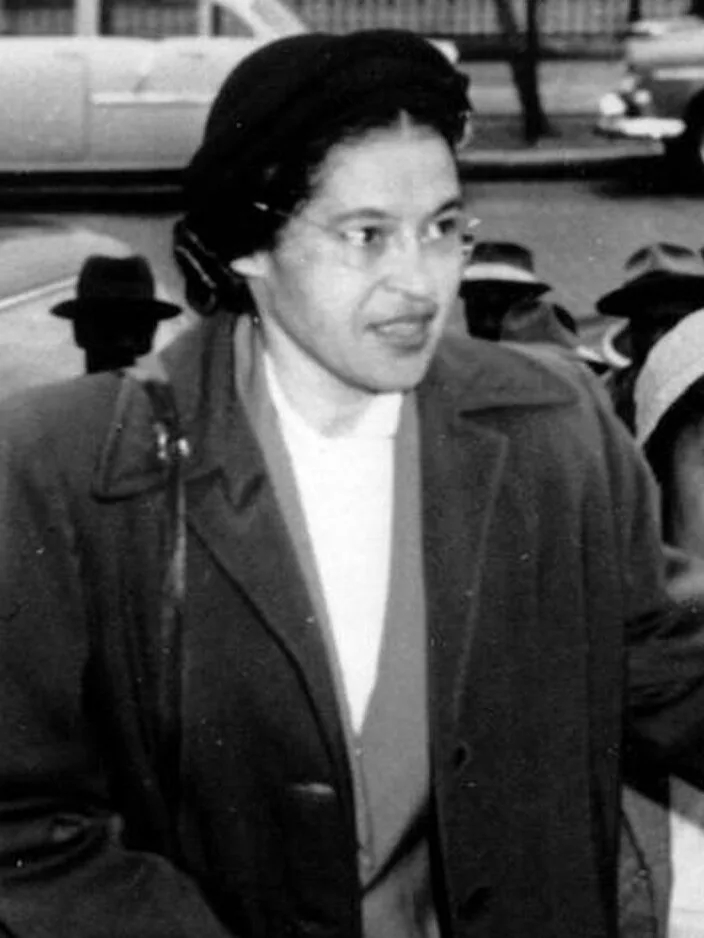
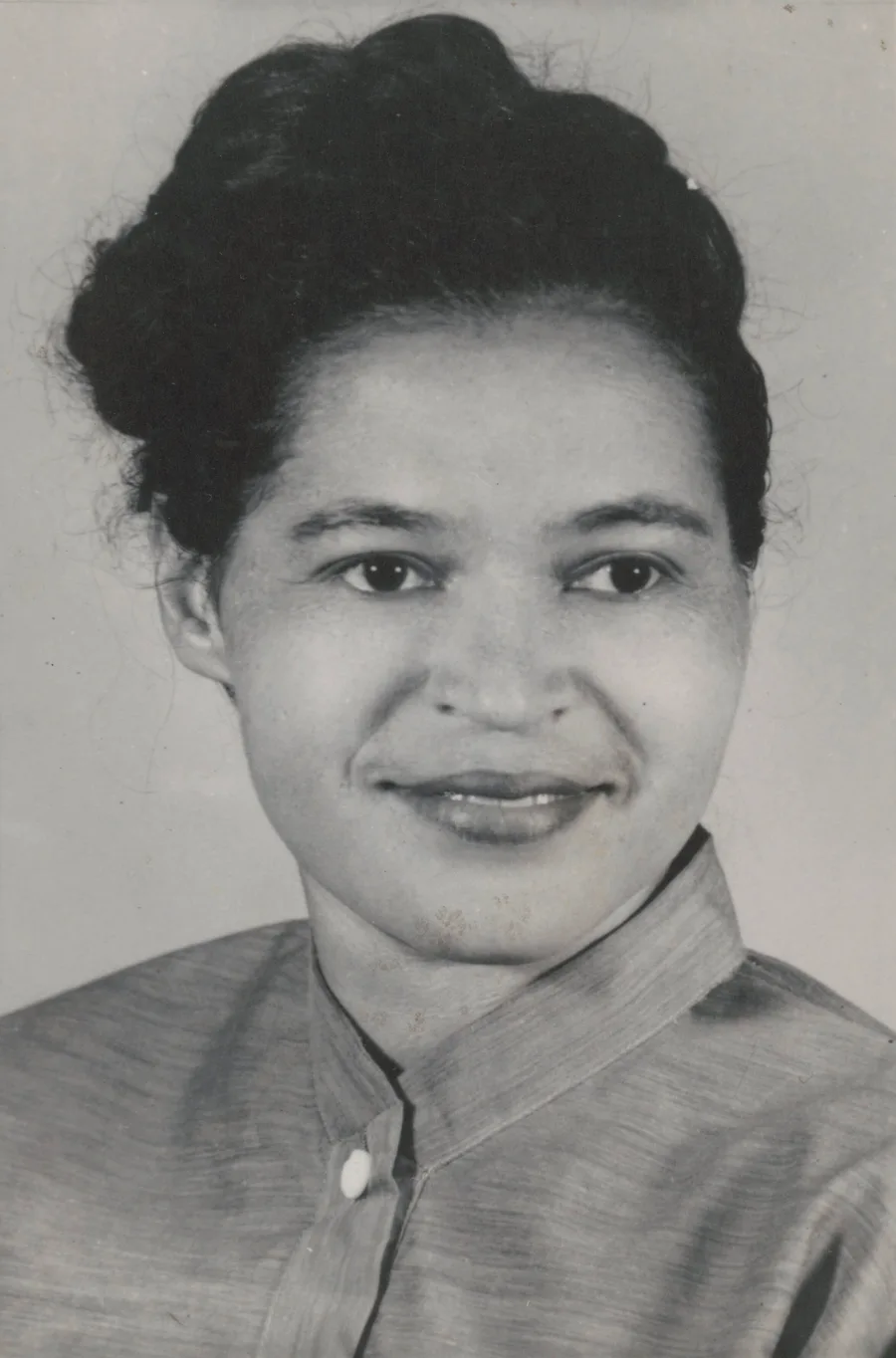
Rosa Louise McCauley Parks, born in Tuskegee, Alabama, in 1913, is best known for her December 1, 1955, refusal to give up her bus seat to a white passenger in Montgomery, Alabama — an act of defiance against Jim Crow segregation that sparked the Montgomery bus boycott and earned her the informal title “mother of the civil rights movement.” But that widely known moment was not an isolated, spontaneous act: Parks had joined Montgomery’s NAACP chapter in 1943, serving as its secretary, and had spent over a decade actively investigating and organizing around cases of racial and sexual violence, including those of Recy Taylor and Jeremiah Reeves, before her own arrest.
A Deliberate Test Case, Not an Accident
Parks was not the first Black Montgomerian to refuse to surrender a bus seat — 15-year-old Claudette Colvin had done the same months earlier and been arrested — but local civil rights leaders specifically identified Parks as an effective legal test case against segregation given her established standing and NAACP experience, and the Women’s Political Council organized a one-day boycott to coincide with her trial. Parks had also successfully registered to vote only after three separate attempts between 1943 and 1945, directly experiencing the disenfranchisement machinery of Jim Crow Alabama before becoming one of its most consequential legal challengers.
381 Days and a Life After Montgomery
Parks’s conviction for violating Alabama segregation law triggered the extended Montgomery bus boycott, which lasted 381 days — sustained by the newly formed Montgomery Improvement Association’s own community transportation network despite harassment and legal obstacles directed at Parks and other boycott leaders — until Browder v. Gayle declared bus segregation unconstitutional. The boycott’s financial and personal toll on Parks was real: she and her family relocated to Detroit in 1957, where she continued organizing for decades, supporting causes including the Black Power movement and the anti-apartheid Free South Africa Movement, and in 1987 co-founded the Rosa and Raymond Parks Institute for Self Development.
Legacy
After her death in 2005, Parks was honored with memorial services in three cities and became the first Black American to lie in state at the U.S. Capitol rotunda; she had already received the Presidential Medal of Freedom and Congressional Gold Medal during her lifetime. Understanding Parks as a trained, experienced NAACP organizer and investigator who spent decades organizing before and after her famous arrest, not merely a tired seamstress acting on a single impulsive day, is essential to accurately crediting the deliberate, strategic civil rights organizing that made the Montgomery boycott possible — and that defined the rest of her long life afterward.
Related
- Bayard Rustin
- Fannie Lou Hamer
- Martin Luther King Jr.
- Thurgood Marshall
- Brown v. Board of Education National Historical Park
- Dexter Avenue King Memorial Baptist Church
More in Literature, Civil Rights