Harlem Renaissance
Schomburg Center for Research in Black Culture
research library in Manhattan, New York, USA
Overview
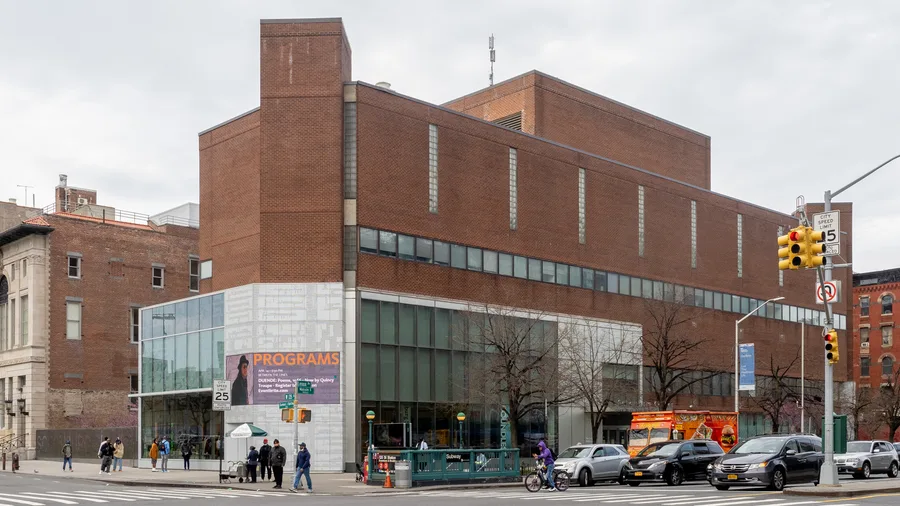
The Schomburg Center for Research in Black Culture is a research library and archival repository of the New York Public Library dedicated to documenting the history and culture of people of African descent worldwide, located in the heart of Harlem at 515 Malcolm X Boulevard. It is named for Arturo Alfonso Schomburg, an Afro-Puerto Rican scholar and collector whose personal collection of books, manuscripts, and artifacts formed the foundation of what became one of the world’s premier archives of Black history and culture.
From a Carnegie Branch Library to a Center of Black Scholarship
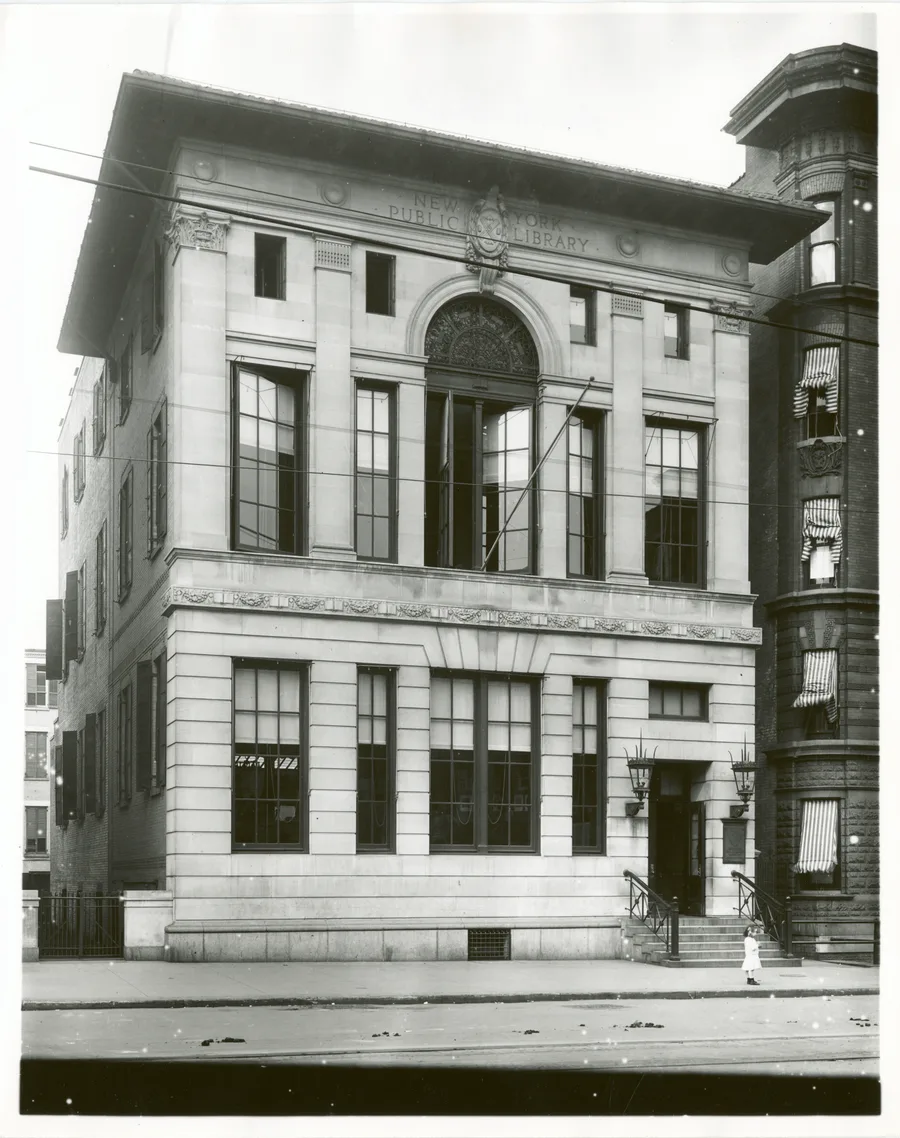
The Schomburg Center’s origins trace to 1905, when the library first opened as the 135th Street branch of the New York Public Library, part of Andrew Carnegie’s citywide library-building philanthropy, designed by the architectural firm McKim, Mead & White. In 1920, Ernestine Rose became branch librarian and immediately integrated the library’s previously all-white staff, and under her two-decade tenure the branch became an active center of Harlem’s cultural and intellectual life during the same years as the Harlem Renaissance covered elsewhere on this site — a public library that deliberately made itself central to the neighborhood’s Black literary and artistic community rather than remaining a passive book depository.
Buying Schomburg’s Own Collection
The branch employed pioneering Black librarians including Catherine Latimer, the first African American librarian hired by the NYPL, and in 1921 it hosted Harlem’s first exhibition of African American art, which became an annual event that made the library a focal point of the burgeoning Harlem Renaissance. By 1923 it was the only NYPL branch employing Black librarians and was already tracking rising demand for books by and about Black Americans; in late 1924, Rose convened Arturo Schomburg, writer James Weldon Johnson, and activist Hubert Harrison to plan a dedicated Black history collection, formally launched in May 1925 as the Division of Negro Literature, History and Prints. When Schomburg wanted to sell his own personal collection in 1926 on the condition it remain in Harlem, Rose and the National Urban League convinced the Carnegie Foundation to pay him $10,000 and donate the books directly to the library that now bears his name.
Legacy
Today the Schomburg Center’s holdings span five specialized divisions — Art and Artifacts, General Research and Reference, Manuscripts and Rare Books, Moving Image and Recorded Sound, and Photographs and Prints — making it one of the most comprehensive archives of the African diaspora experience anywhere in the world, open to the public and hosting ongoing readings, exhibitions, and theatrical events. As an institution built from one immigrant Black scholar’s personal collection into a globally significant research archive, the Schomburg Center stands as a direct, physical embodiment of the site’s own mission: preserving and making accessible the documented record of Black achievement and history.
Related
More in Literature, Education