Harlem Renaissance
Bessie Smith
American blues singer (1892–1937)
Overview
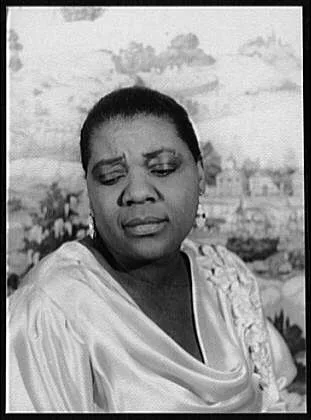
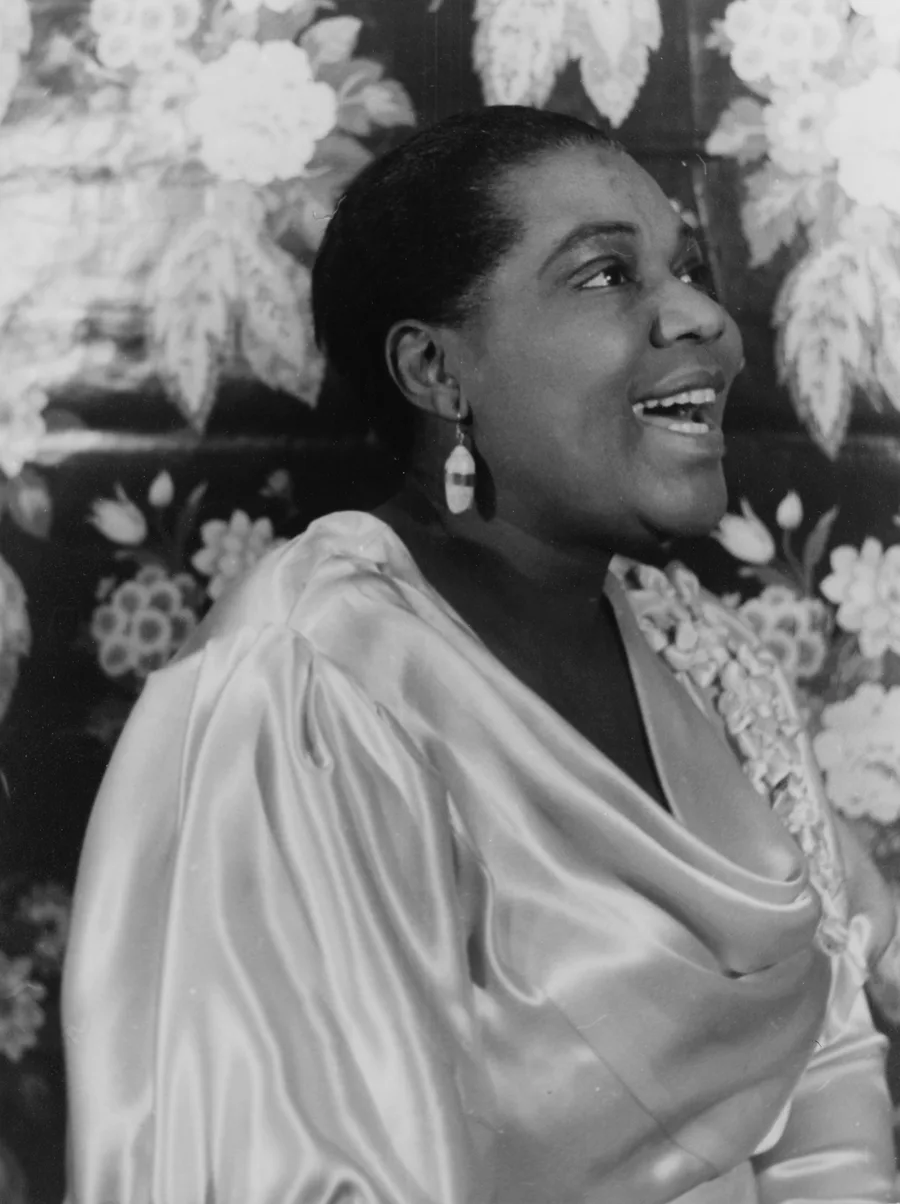
Bessie Smith, born in Chattanooga, Tennessee, in the early 1890s, became the most popular female blues singer of her era, earning the title “Empress of the Blues” and standing today, following her 1989 induction into the Rock and Roll Hall of Fame, as one of the most influential vocalists in American music history. Smith’s childhood was marked by profound loss: both her parents died while she was young, and she and her six siblings survived in part by busking on Chattanooga’s street corners in front of the White Elephant Saloon, with her older sister Viola taking on responsibility for the family after their mother’s death left Bessie without the chance to pursue a formal education. Her older brother Andrew accompanied her singing and dancing on guitar during these earliest street performances, years before either of them found professional stages.
From Street Corners to Columbia Records
Smith’s brother Clarence arranged an audition for her in 1912 with the Moses Stokes traveling troupe, where she was hired as a dancer — not a singer, since the company already featured Ma Rainey — and though Rainey did not teach Smith to sing, contemporaries believed she helped Smith develop her stage presence. Smith’s recording career only became possible after Mamie Smith’s 1920 record “Crazy Blues” sold over 100,000 copies and proved, for the first time, that a real commercial market existed for Black blues singers; Columbia Records signed Smith in 1923, and both sides of her first single, “Downhearted Blues” and “Gulf Coast Blues,” were immediate hits, launching a recording career that made her one of the best-selling artists of the entire decade.
Legacy
Smith’s performing career, and her life, were cut short at age 45 by a car crash, but her recorded catalog with Columbia preserved her voice and influence for later generations of listeners and performers alike. Rising from a childhood of street-corner busking and poverty to become the best-selling and most influential blues vocalist of her generation, Smith’s career stands as a direct example of the kind of raw, self-taught musical genius that built the foundations of American blues and, through it, much of 20th-century popular music.