Harlem Renaissance
Zora Neale Hurston
African American folklorist, novelist, short story writer, and Civic Rights advocate (1891–1960)
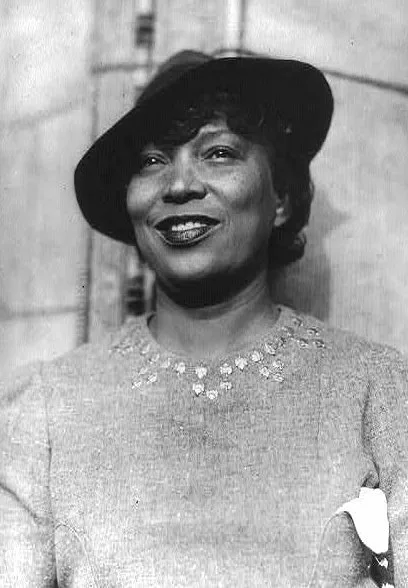
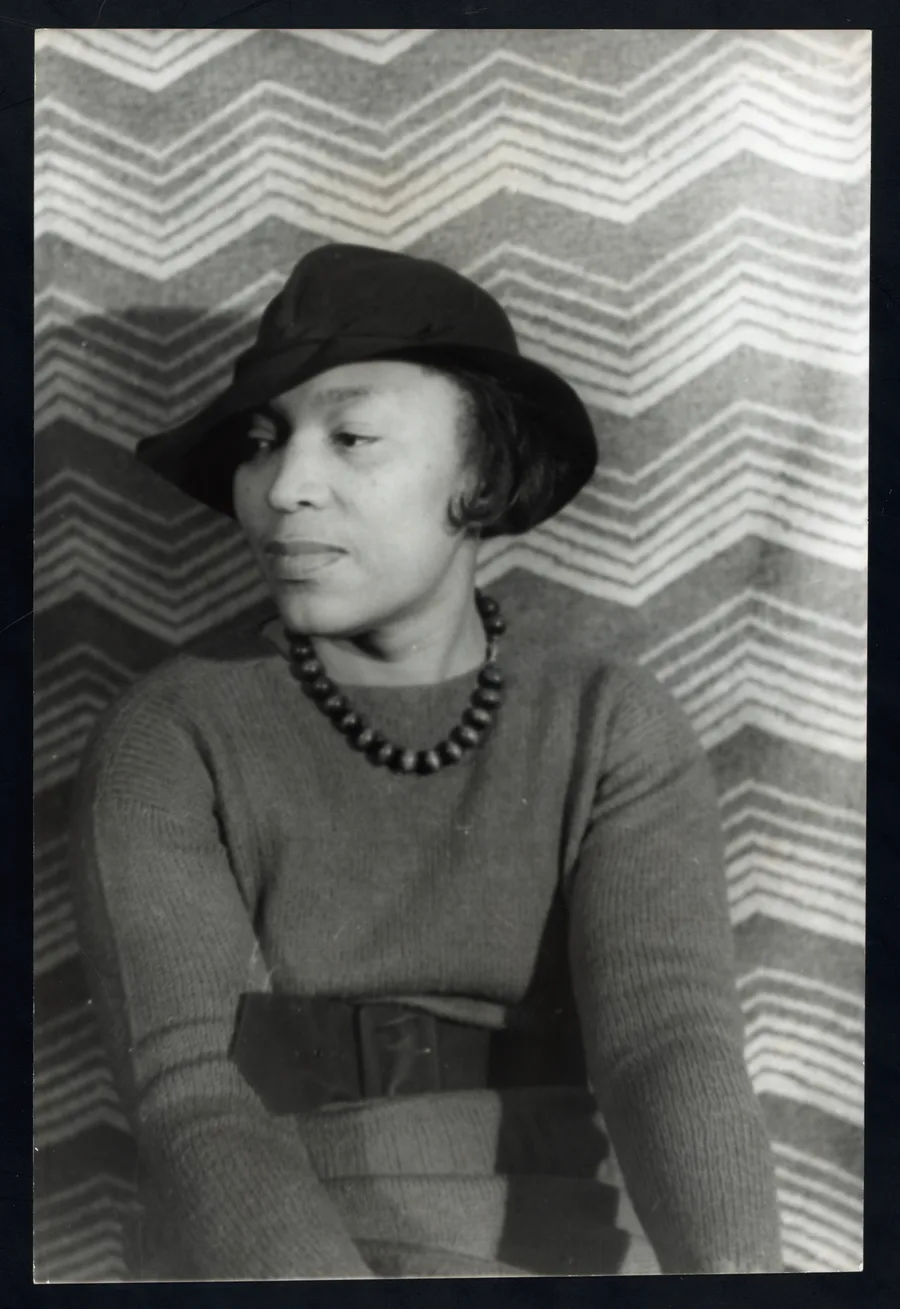
Overview
Zora Neale Hurston, born in Notasulga, Alabama, in 1891 and raised from early childhood in Eatonville, Florida — one of the first incorporated all-Black towns in the United States, which she later used as the setting for many of her stories — became one of the most significant American writers and anthropologists of the 20th century. Her most celebrated novel, Their Eyes Were Watching God (1937), stands as one of the defining works of American literature, though her output extended far beyond fiction: more than 50 short stories, plays, an autobiography, ethnographic studies, and countless essays.
An Anthropologist Ahead of Her Field
Hurston trained as an anthropologist under Franz Boas at Barnard College and Columbia University, conducting serious ethnographic research into Black American and Caribbean folklore at a time when the discipline offered little institutional support for studying communities of color with genuine respect and rigor. Her 1937 work Tell My Horse explored Haitian Vodou and Jamaican folk practice using ethnomusicological methods years before such approaches had formal disciplinary boundaries, and her 1935 anthology Mules and Men preserved North Florida Black folklore with a scholarly seriousness rarely extended to that material by her contemporaries.
A Rediscovery Fifteen Years After Her Death
As a central figure of the Harlem Renaissance, Hurston published short satirical fiction addressing Black American experience and internal racial division in landmark anthologies including The New Negro and Fire!!, work that placed her among the movement’s most incisive literary voices even when it drew criticism from within the Black literary establishment for its unvarnished portrayal of Black rural life. Her novels went largely unrecognized for decades until 1975, when author Alice Walker published “In Search of Zora Neale Hurston” in Ms. magazine and single-handedly revived critical interest in her work — a rediscovery that transformed Hurston from a forgotten writer into a canonical figure of American literature. Manuscripts kept surfacing long afterward: her folktale collection Every Tongue Got to Confess was discovered in the Smithsonian archives and published in 2001, and Barracoon, her account of Cudjoe Lewis, one of the last survivors of the illegal slave trade to the U.S., was finally published in 2018, 58 years after her death.
Legacy
Hurston’s combined legacy as both novelist and rigorously trained anthropologist laid direct groundwork for the later academic fields of ethnography and Africana Studies, a dual legacy few writers of her era, in any community, could claim. That her most significant works reached full recognition only decades after her death — through Walker’s advocacy and archival rediscovery rather than contemporary acclaim — stands as its own documented case of Black literary achievement initially overlooked and later, deliberately, restored to its rightful place.
Related
More in Literature, Civil Rights