Harlem Renaissance
Countee Cullen
American author (1903–1946)
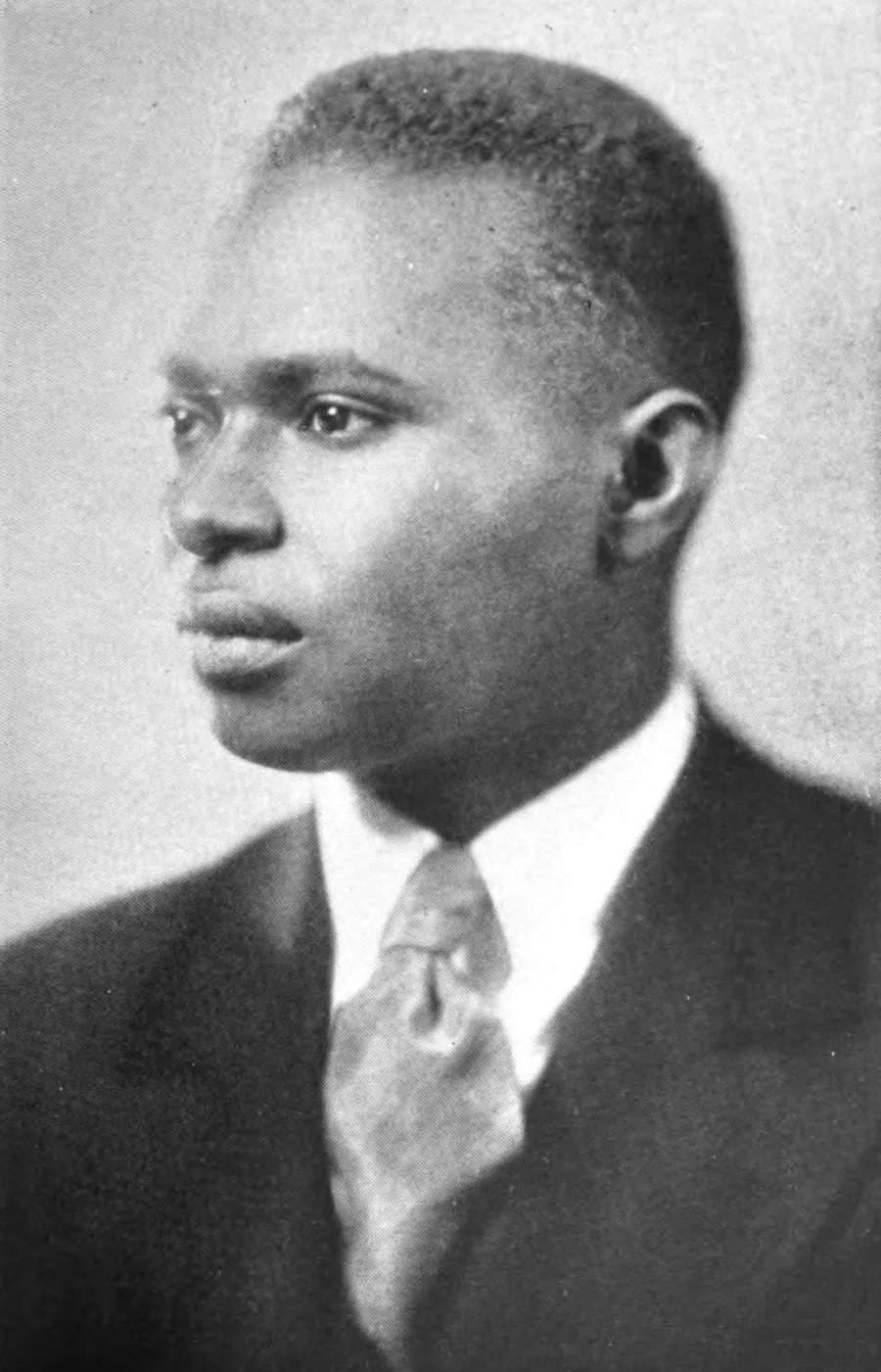
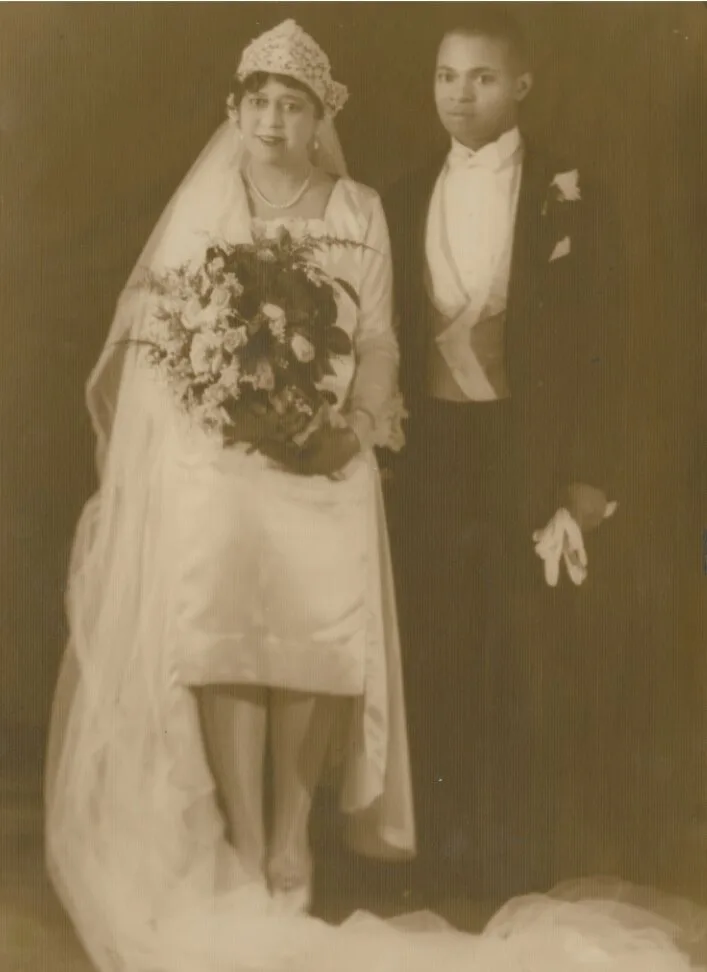
Overview
Countee Cullen, born Countee LeRoy Porter in 1903 — his exact birthplace disputed among Baltimore, New York City, and Louisville, Kentucky, due to the scarcity of records from his early childhood — became one of the most celebrated poets of the Harlem Renaissance. Brought to Harlem at age nine by his paternal grandmother, Amanda Porter, he was later taken in around age 15 by Reverend Frederick A. Cullen, pastor of Harlem’s largest congregation, Salem Methodist Episcopal Church, and an influential figure who later served as president of the Harlem NAACP chapter and became a formative presence in the young poet’s life.
Academic Excellence and Early Acclaim
Cullen excelled academically at DeWitt Clinton High School, winning a citywide poetry contest, serving as editor of the school newspaper, and graduating with honors in Latin, Greek, mathematics, and French — an unusually rigorous classical education that shaped the formal, traditional poetic style for which Cullen later became known, distinguishing him from Harlem Renaissance contemporaries who drew more directly on jazz and vernacular forms. He went on to study at New York University and Harvard University, publishing his earliest major work while still a student and establishing himself as a serious literary voice before reaching his mid-twenties.
“Color” and a National Reputation
Cullen placed second in the Witter Bynner National Competitions for Undergraduate Poetry in both 1923 and 1924 before finally winning first prize in 1925, the same year he graduated from NYU as one of only eleven students selected to Phi Beta Kappa; that year he also entered Harvard for a master’s degree and published Color, his first collection and an instant landmark of the Harlem Renaissance. Written in careful, traditional verse forms that celebrated Black beauty while confronting racism directly, Color included “Heritage” and “Incident,” among his most widely anthologized poems, and “Yet Do I Marvel,” which drew on the formal influence of Wordsworth and Blake while confronting a contradiction distinctly its own: Cullen accepts that “God is good, well-meaning, kind” even as he grapples with the particular injustice of being both Black and a poet in an era of deep racial prejudice.
Legacy
Cullen’s poetry, grounded in formal classical structure while addressing race, identity, and Black American experience directly, offered a distinct counterpoint within the Harlem Renaissance to the more explicitly vernacular and jazz-influenced styles of contemporaries like Langston Hughes — the two even competed directly in the same 1925 Opportunity poetry contest, where Cullen’s “To One Who Said Me Nay” placed second to Hughes’s “The Weary Blues,” a friendly rivalry that captures the movement’s genuine range of aesthetic approaches to the same core project of Black literary self-expression. His work as poet, novelist, children’s writer, and playwright across a career cut short by his death in 1946 at age 42 remains a core part of the Harlem Renaissance’s enduring literary canon.
Related
More in Literature