Harlem Renaissance
Augusta Savage
American sculptor (1892–1962)
Overview
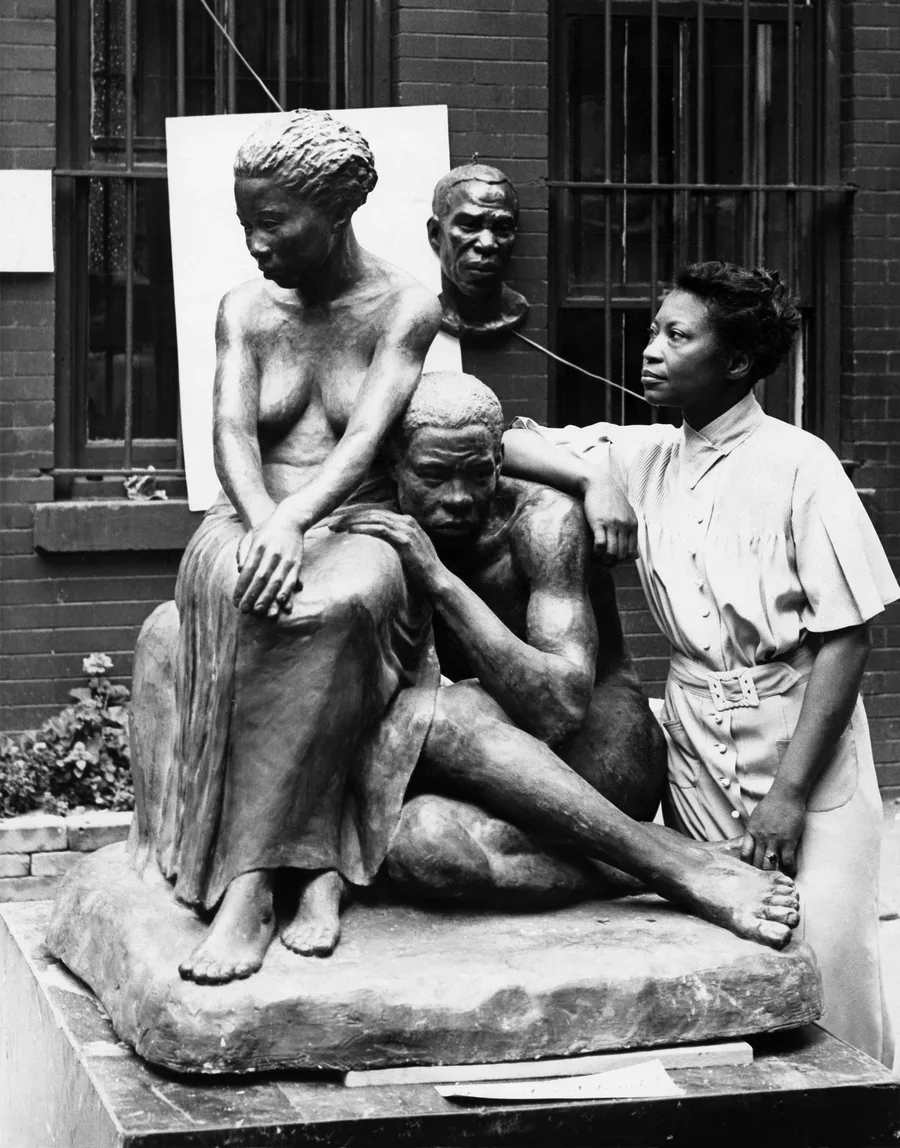
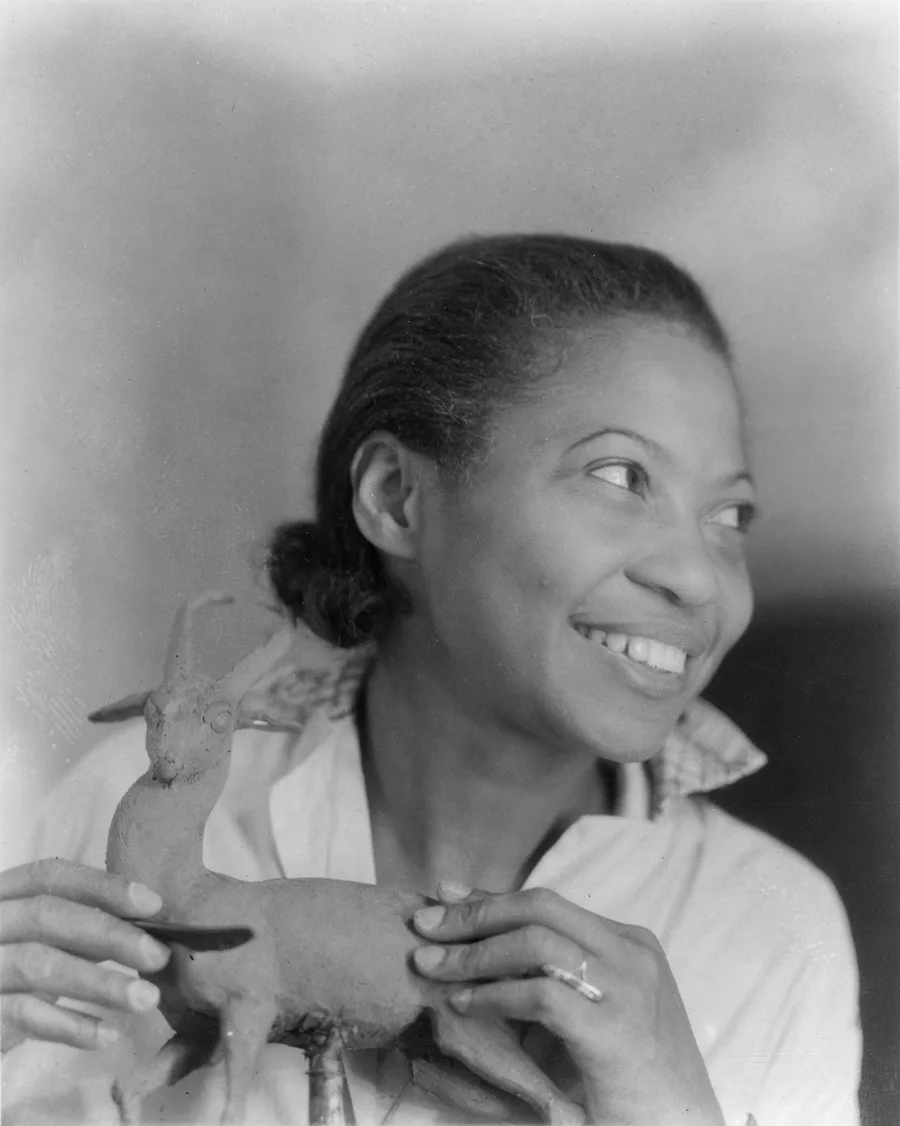
Augusta Savage, born Augusta Christine Fells in Jacksonville, Florida, in 1892, became one of the defining sculptors of the Harlem Renaissance and a teacher whose studio directly shaped the careers of a generation of Black artists who went on to national recognition. She began sculpting as a child, shaping small animal figures from the natural red clay of her hometown, over the fierce opposition of her father, a poor Methodist minister who, by Savage’s own account, physically punished her for what he considered a sinful pursuit under his reading of the Bible’s prohibition on “graven images.”
A Sculptor Who Became a Teacher
Savage persevered despite that early opposition, and after her family relocated to West Palm Beach in 1915, a supportive high school principal recognized her talent and let her teach a clay modeling class — the beginning of a lifelong parallel commitment to both making art and teaching it to others. That commitment to teaching became one of Savage’s most consequential legacies: her later Harlem studio trained and supported numerous younger Black artists in the years that followed, extending her influence on Black American art well beyond her own individual body of sculptural work.
Arriving in New York With $4.60
Savage moved to New York City in 1921 with a letter of recommendation and $4.60 to her name; when sculptor Solon Borglum learned she could not afford tuition at the School of American Sculpture, he steered her instead toward Cooper Union, a scholarship-based school that admitted her ahead of 142 men on its waiting list and later awarded her additional funds for room and board after she lost her job. Savage completed the four-year program in three years, then supported herself and her family — including a father left paralyzed by a stroke after a hurricane destroyed their Florida home — working in Manhattan steam laundries while her sculpture earned commissions including a bust of W.E.B. Du Bois for the New York Public Library and a bust of Marcus Garvey. In 1923, after being accepted into a prestigious French summer art program, Savage had the offer rescinded once the selection committee learned she was Black — a rejection that launched the first of many public fights for equal rights she waged throughout her career, beginning with a public letter to the New York World.
Legacy
Savage’s life also carried real personal loss connected directly to the era’s Pan-African politics profiled elsewhere on this site: her third husband, Robert Lincoln Poston, a protégé of Marcus Garvey, died of pneumonia in 1924 aboard a ship returning from a Universal Negro Improvement Association delegation to Liberia. Savage spent her career actively working for equal rights for African Americans within the arts establishment, using both her own sculpture and her teaching practice to open doors for Black artists that had previously been closed to them.