Harlem Renaissance to Civil Rights Movement
Paul Robeson
American singer, actor, and political activist (1898–1976)
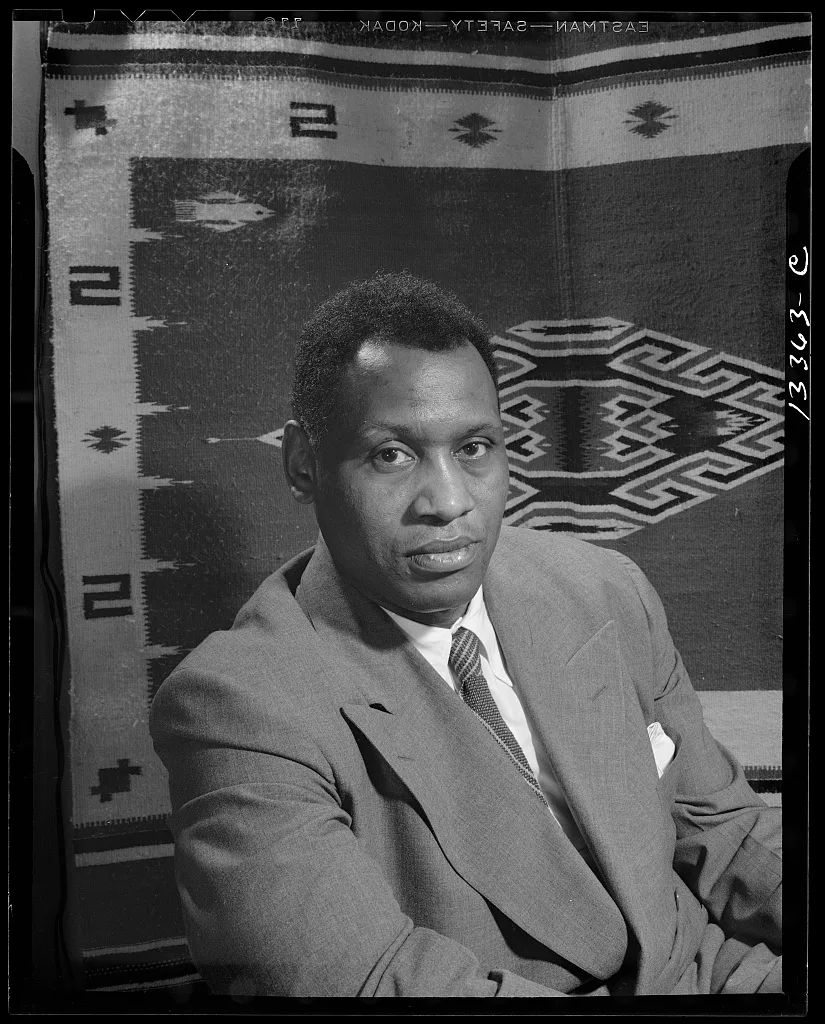
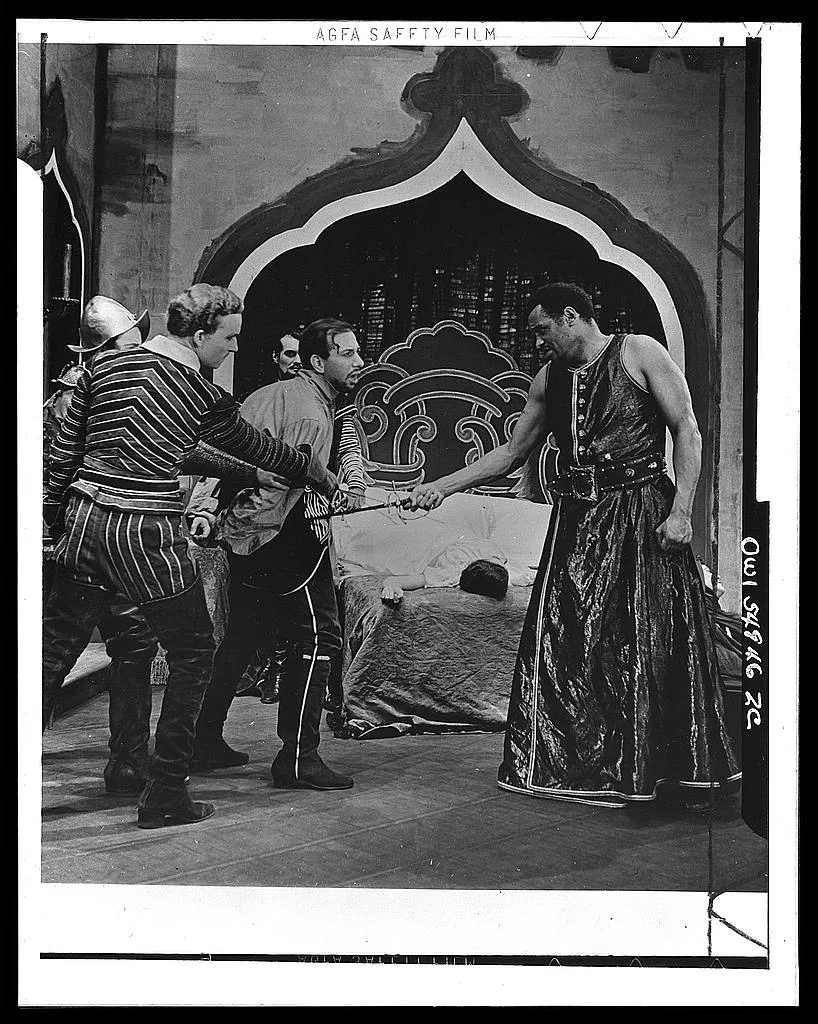
Overview
Paul Robeson, born in 1898, won an academic scholarship to Rutgers College in 1915, where he was the only African American student on campus and nonetheless earned two consensus All-American honors in football while being elected class valedictorian — an extraordinary combination of athletic and academic achievement in the face of near-total racial isolation. He went on to earn his law degree from Columbia Law School while simultaneously playing professional football in the NFL, before turning to the stage as a defining performer of the Harlem Renaissance, starring in Eugene O’Neill’s The Emperor Jones and All God’s Chillun Got Wings.
A Global Concert and Stage Career
Robeson built an international performing career centered increasingly in Britain, scoring a major success in the 1928 London premiere of Show Boat and starring in three separate productions of Othello over his career, alongside a celebrated career as a concert bass-baritone. His political activity deepened alongside his artistic career: he supported the Republican cause in the Spanish Civil War, engaged with unemployed workers’ and anti-imperialist movements in Britain, and, after initially opposing U.S. entry into World War II during the Molotov–Ribbentrop Pact period, became a vocal supporter of the Allied war effort once Germany invaded the Soviet Union.
A Revoked Passport
Robeson’s father, William Drew Robeson, had been born into slavery of Igbo origin and escaped a plantation as a teenager before becoming a Presbyterian minister in Princeton, New Jersey, where Robeson was born in 1898 — a direct, one-generation link between American slavery and Robeson’s own extraordinary later achievements. When Robeson refused to recant his public support for the Soviet Union during the Cold War, the U.S. State Department withdrew his passport entirely, collapsing his income and confining him largely to the United States; he moved to Harlem and published his own periodical, Freedom, critical of U.S. policy, from 1950 to 1955, until the Supreme Court’s 1958 decision in Kent v. Dulles finally restored his right to travel.
Legacy
Between 1925 and 1961, Robeson recorded roughly 270 songs spanning spirituals, classical music, European folk songs, political anthems, and spoken excerpts from his stage work, beginning with the spiritual “Steal Away” in 1925 — an artistic output as expansive as his political engagement was uncompromising. Robeson’s combination of world-class athletic, legal, and artistic achievement with sustained, unapologetic political engagement — international fame paired with genuine political risk-taking that cost him his passport and much of his income — makes him one of the most multidimensional figures of the entire Harlem Renaissance era and its aftermath.
Related
More in Arts, Literature, Civil Rights, Music, Politics, Sports, Military