Pre-Civil War (Underground Railroad)
Harriet Tubman Underground Railroad National Historical Park
National Historical Park of the United States in Maryland
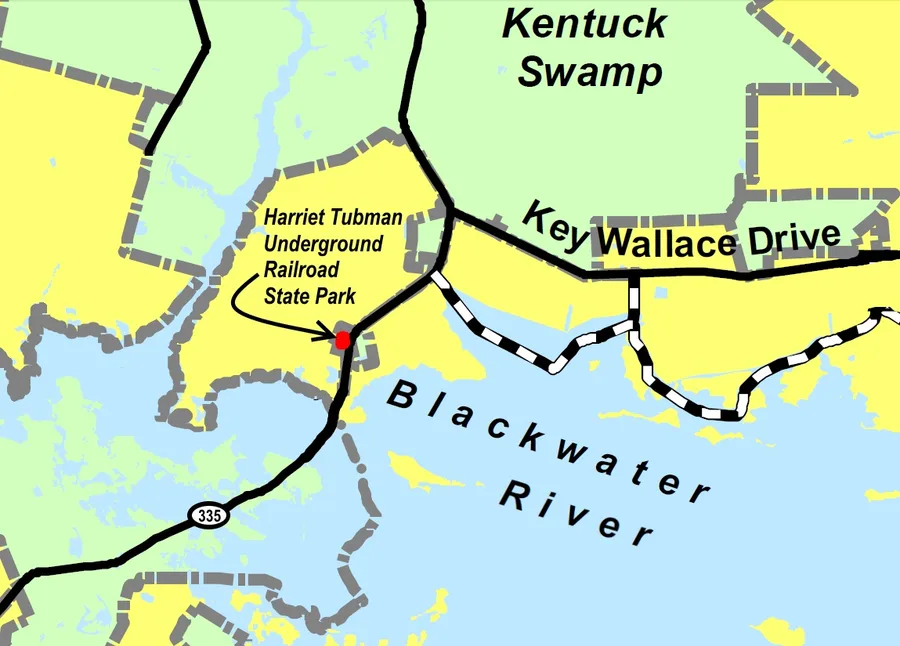
Overview
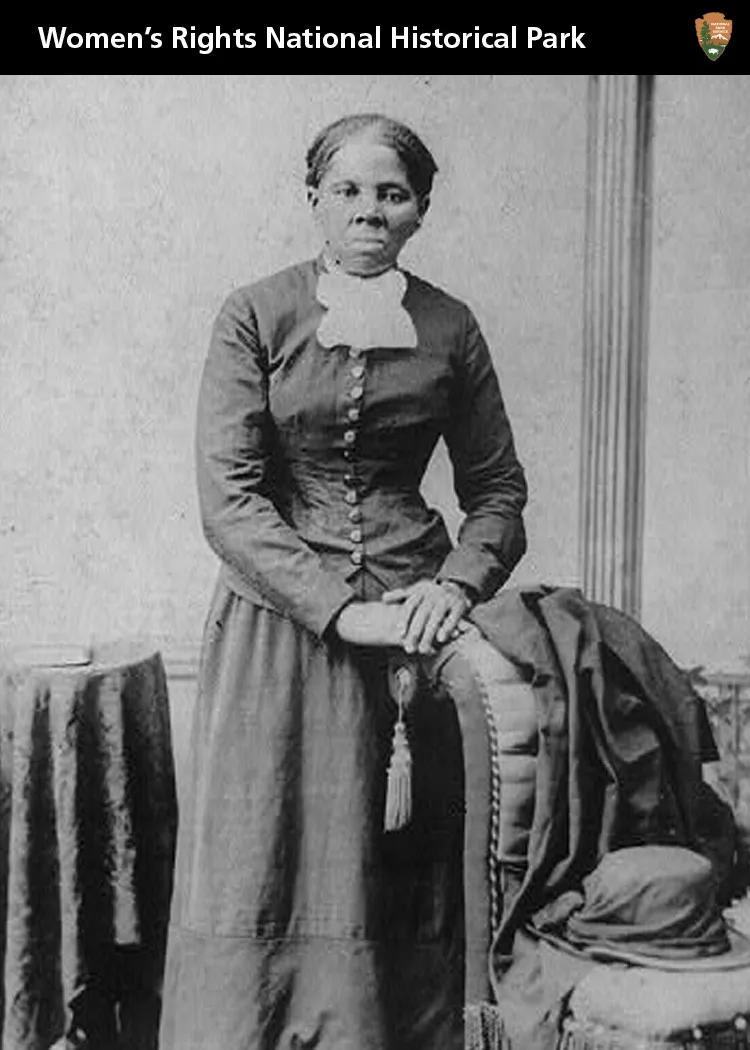
Harriet Tubman Underground Railroad National Historical Park, a roughly 480-acre National Park Service unit in Dorchester County, Maryland, commemorates the life and work of Harriet Tubman, who, having escaped slavery herself, returned repeatedly to the region to guide other enslaved people to freedom as one of the Underground Railroad’s most celebrated conductors. President Barack Obama first created the site as the Harriet Tubman Underground Railroad National Monument under the Antiquities Act on March 25, 2013, before Congress formally redesignated its National Park Service-administered portion as a full National Historical Park in 2014.
“Moses,” Who Never Lost a Passenger
Born into slavery in this same Dorchester County landscape around 1822, Tubman suffered a traumatic head injury as a child when an overseer’s thrown weight, aimed at another enslaved person, struck her instead — an injury that caused lifelong dizziness and hypersomnia, and that she came to believe brought her religious visions. After escaping to Philadelphia in 1849, Tubman returned to Maryland repeatedly, ultimately making around 13 rescue missions that freed approximately 70 enslaved people, including much of her own family, earning her the nickname “Moses”; she later said she “never lost a passenger.” She went on to serve the Union Army as an armed scout and spy during the Civil War and became active in the women’s suffrage movement in her later years.
Preserving the Landscape Tubman Knew
The park includes sites near Cambridge, Windy Hill, and Preston, Maryland, spanning Dorchester, Talbot, and Caroline counties — the actual landscape and waterways Tubman herself navigated on her escape routes — including the Jacob Jackson Home site, donated to the federal government by The Conservation Fund specifically to establish the monument. Congress’s December 2014 authorizing legislation, signed as part of that year’s National Defense Authorization Act, both formally redesignated the Maryland site as a National Historical Park and directed the Interior Secretary to administer it as a single unit alongside the National Park Service’s holdings within the earlier national monument; it also laid the legal groundwork for a companion Harriet Tubman National Historical Park in Auburn and Fleming, New York, where Tubman spent her later life, which was formally established on January 10, 2017, as this Maryland park’s sister site.
Legacy
By preserving the actual physical geography of Tubman’s escape routes rather than only a single monument or museum building, the park lets visitors experience the same marshes, waterways, and rural landscape Tubman and those she guided depended on for cover and navigation. This site’s own Underground Railroad Era page details the broader network Tubman was part of; this park exists specifically to preserve the ground-level, physical reality of that network in the one place most closely tied to Tubman’s own repeated acts of return and rescue, with its New York sister site preserving the second half of her life’s story.
Related
More in Civil Rights