Reconstruction
Tuskegee University
private, historically black university located in Tuskegee, Alabama, USA
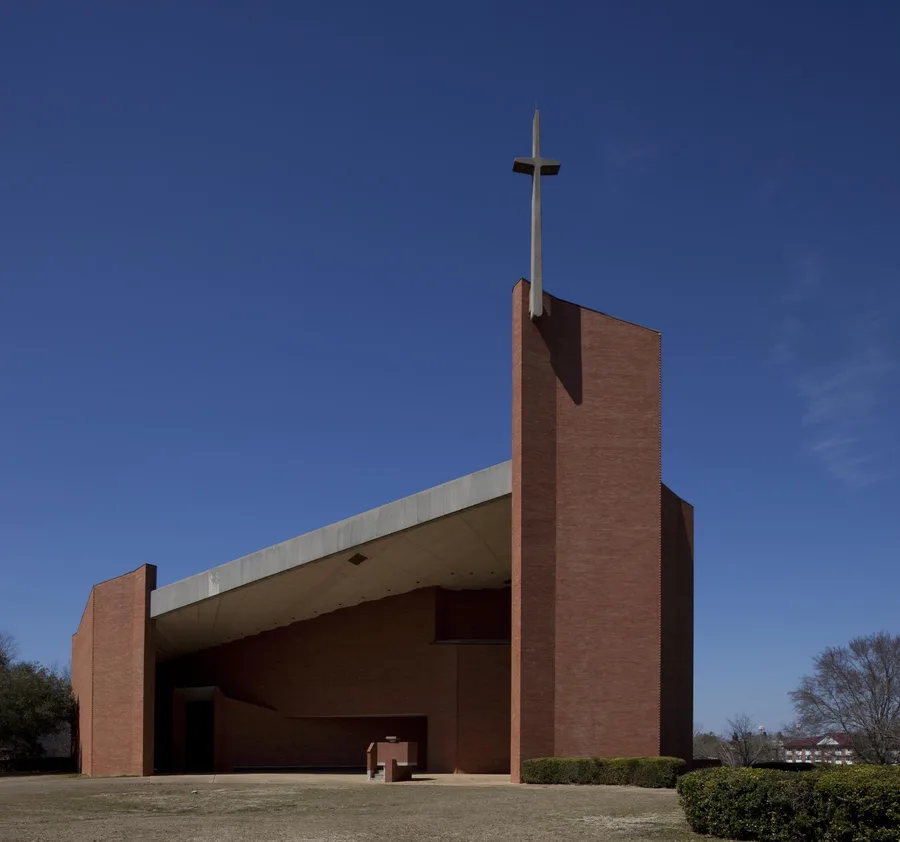
Overview
Tuskegee University, founded July 4, 1881, as the Tuskegee Normal School for Colored Teachers, is a private historically Black land-grant university in Tuskegee, Alabama, that grew from a single teacher-training school into one of the most consequential institutions in African American history. Its founding grew out of an unlikely political bargain in Macon County: local Black leader Lewis Adams persuaded Black voters to support former Confederate colonel Wilbur F. Foster’s re-election to the Alabama Senate, in exchange for Foster’s promise to help establish a school for Black teachers if elected — a deal Foster honored, resulting in the school’s founding.
A 25-Year-Old Principal Starting Classes in a Shanty
When Hampton Institute principal and former Union general Samuel C. Armstrong recommended his 25-year-old alumnus Booker T. Washington to lead the new school, Washington arrived to find no campus at all — he began classes in a rundown church and shanty, and only in 1882 purchased the school’s first 100 acres, a former plantation whose land, according to a 1973 oral history held in Tuskegee’s own archives, had been sold to Washington by the grandmother of a later interviewee, Annie Lou “Bama” Miller. Students themselves built the school’s earliest campus buildings as part of their work-study education, a founding principle of Washington’s model, and by the turn of the 20th century Tuskegee had grown from that first 100 acres to nearly 2,300.
Washington and Carver’s Enduring Legacy
Washington built the school from those improvised beginnings into a nationally influential center of Black education and self-reliance, and whose campus was physically designed in significant part by Robert Robinson Taylor, the first African American to graduate from MIT, working alongside David Williston, the first professionally trained African American landscape architect — meaning Tuskegee’s own campus stands as a direct achievement of the Black architectural and design talent it also helped train. Scientist George Washington Carver joined the faculty and conducted his agricultural research at Tuskegee for decades, and during World War II the university’s airfield trained the Tuskegee Airmen, the celebrated all-Black fighter pilot units whose service is documented on this site’s dedicated Tuskegee Airmen National Historic Site page.
A Documented Historical Wrong
This site’s sourcing standards require stating plainly that Tuskegee’s history includes a genuine institutional wrong: beginning in 1932, the university was involved, in partnership with the U.S. Public Health Service, in recruiting participants for what became known as the infamous Tuskegee syphilis study, in which Black men were denied treatment and misled for decades in the name of medical research. Tuskegee today is a doctoral-level research university serving nearly 3,000 students from across the U.S. and more than 30 countries, and its campus was designated the Tuskegee Institute National Historic Site by the National Park Service in 1974 — an institution whose full history includes both extraordinary Black achievement and a documented abuse that demands honest accounting.
Related
- Blanche K. Bruce
- Frederick Douglass
- Hiram Rhodes Revels
- Alabama A&M University
- Alabama State University
- Alcorn State University
More in Education