Reconstruction
Tuskegee Institute National Historic Site
75 acres in Alabama (US) managed by the National Park Service
Overview
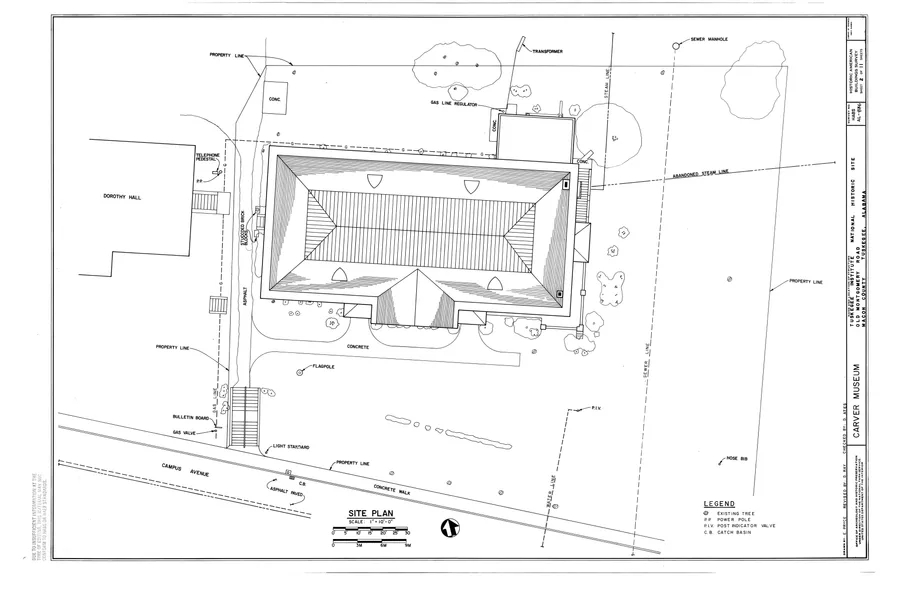
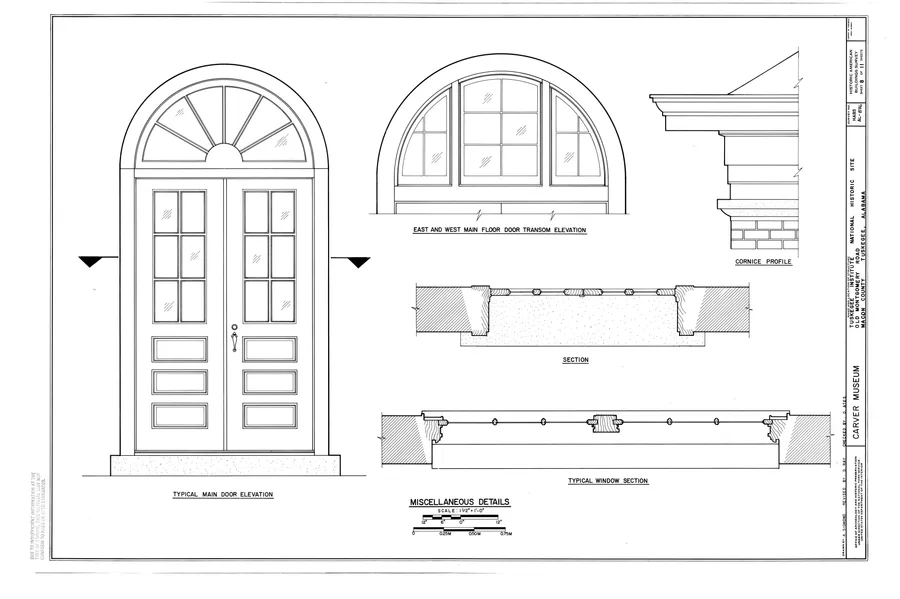
The Tuskegee Institute National Historic Site designation, applied by the National Park Service in 1974, formally recognizes the historic campus of Tuskegee University — profiled in full on this site’s own dedicated Tuskegee University page — as a landmark of national significance. The designation specifically protects the campus’s original historic core: buildings designed in significant part by Robert Robinson Taylor, the first African American graduate of MIT, working with David Williston, the first professionally trained African American landscape architect, making the campus itself a landmark achievement of Black architectural and design talent, not merely a backdrop to the university’s history.
Built Before There Was Anything to Build On
The land the landmark now protects started as nothing: the school’s founders, Lewis Adams — a formerly enslaved tinsmith, harness-maker, shoemaker, and Prince Hall Freemason who could read, write, and speak several languages despite having no formal education — and George W. Campbell, a banker and former slaveholder, secured $2,000 from the state of Alabama for teachers’ salaries in 1881 but received nothing for land, buildings, or equipment. Every building the National Historic Site designation now protects was constructed afterward, largely by the labor and design talent of the school’s own students and early Black architects, meaning the landmark protects not just historic buildings but physical proof that Tuskegee’s campus was built from nothing by the very community it was created to educate.
What the Landmark Designation Protects
The National Historic Site designation formally preserves the physical setting in which Booker T. Washington built Tuskegee from its 1881 founding into a nationally influential institution, where George Washington Carver conducted decades of agricultural research, and where the Tuskegee Airmen trained during World War II — meaning the landmark status exists specifically to ensure the buildings and grounds themselves, not just the institution’s ongoing academic mission, remain preserved as a matter of federal historic protection.
Legacy
As a National Historic Site situated on the grounds of a still fully operating university, Tuskegee occupies a distinctive position among the historic sites profiled on this site: a living, working institution serving nearly 3,000 current students that is simultaneously protected as a formal landmark of national significance. See this site’s Tuskegee University page for the fuller history of the institution itself, including its founding, its most significant figures, and its documented connection to the 1932 Public Health Service syphilis study.