Reconstruction
Nicodemus National Historic Site
National Historic Site, African-American museum and open-air museum in Graham County, Kansas
Overview
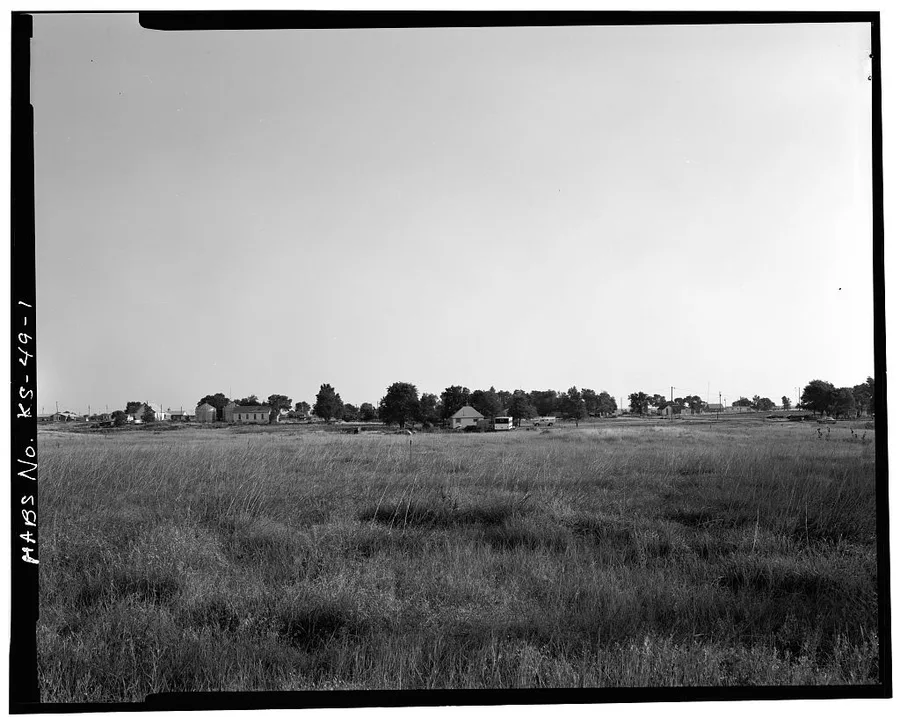
Nicodemus National Historic Site in Nicodemus, Kansas, preserves the only remaining western town founded by African Americans during Reconstruction — a direct, physical monument to the pioneer determination of formerly enslaved and free Black Americans who left the only region they had ever known to build an independent community of their own on the Kansas frontier. Founded in 1877 by Rev. W.H. Smith, a Black minister, alongside white land developer W.R. Hill and five other Black founders who formed the Nicodemus Town Company, the town was deliberately marketed through handbills distributed to Black churches across Kentucky, inviting African Americans to help “establish a black self-government.”
A Self-Governed Black Town
Kansas’s own history as a free state, a stop on the Underground Railroad, and the home base of abolitionist John Brown made it a deliberate, symbolically resonant choice for this settlement effort. By the mid-1880s, Nicodemus had grown into a genuinely bustling town of an estimated 700 residents at its peak, supporting two newspapers, three general stores, at least three churches, several small hotels, an ice cream parlor, a bank, and a livery — a fully functioning, self-sustained Black community built from nothing on the open prairie.
A Living Community, Not a Ruin
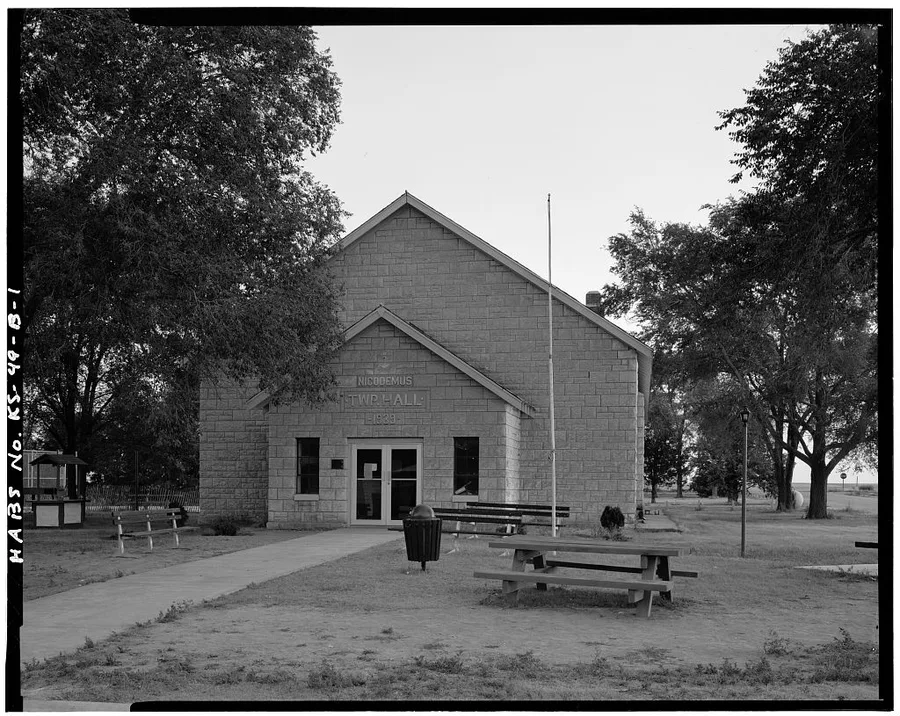
The historic site today preserves five surviving buildings from the town’s heyday — Township Hall, the African Methodist Episcopal Church, First Baptist Church, the St. Francis Hotel, and the Nicodemus School District No. 1 schoolhouse — each a physical remnant of a community that, despite ultimately losing population when railroad lines bypassed the town in favor of neighboring Bogue, never disappeared entirely. Descendants of the original settlers still live in Nicodemus today, among them Veryl Switzer, a three-time All-American football player at Kansas State who went on to play for the NFL’s Green Bay Packers and, later, Canada’s Calgary Stampeders and Montreal Alouettes before returning home to farm 840 acres in Nicodemus and help found a cooperative flour mill. Nicodemus was designated a National Historic Landmark in 1976 and a National Historic Site by Act of Congress in 1996.
Legacy
Nicodemus stands today as the last surviving example of a distinct category of American history rarely told in depth: the story of Black Americans who responded to Reconstruction’s promises and betrayals not by waiting for change, but by physically building free, self-governed Black towns of their own — a town whose founding families’ descendants still call it home nearly a century and a half later.
Related
- Blanche K. Bruce
- Frederick Douglass
- Hiram Rhodes Revels
- Alabama A&M University
- Alabama State University
- Alcorn State University
More in Civil Rights