c. 150 BCE – 0 CE
Nok Culture
archaeological culture
Date range and summary are drafted from Wikidata pending a scholarly-source verification pass — treat as approximate, not settled fact, until re-sourced from academic historians/archaeologists.
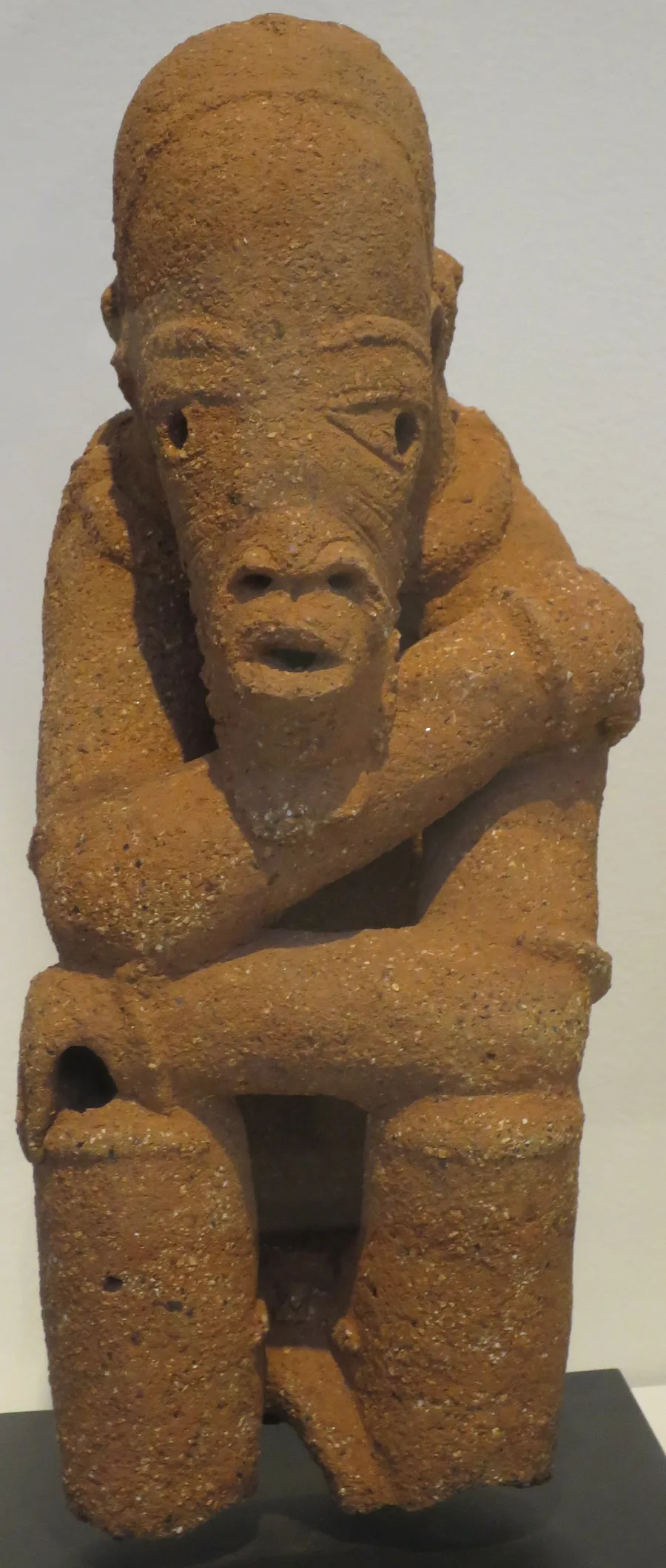
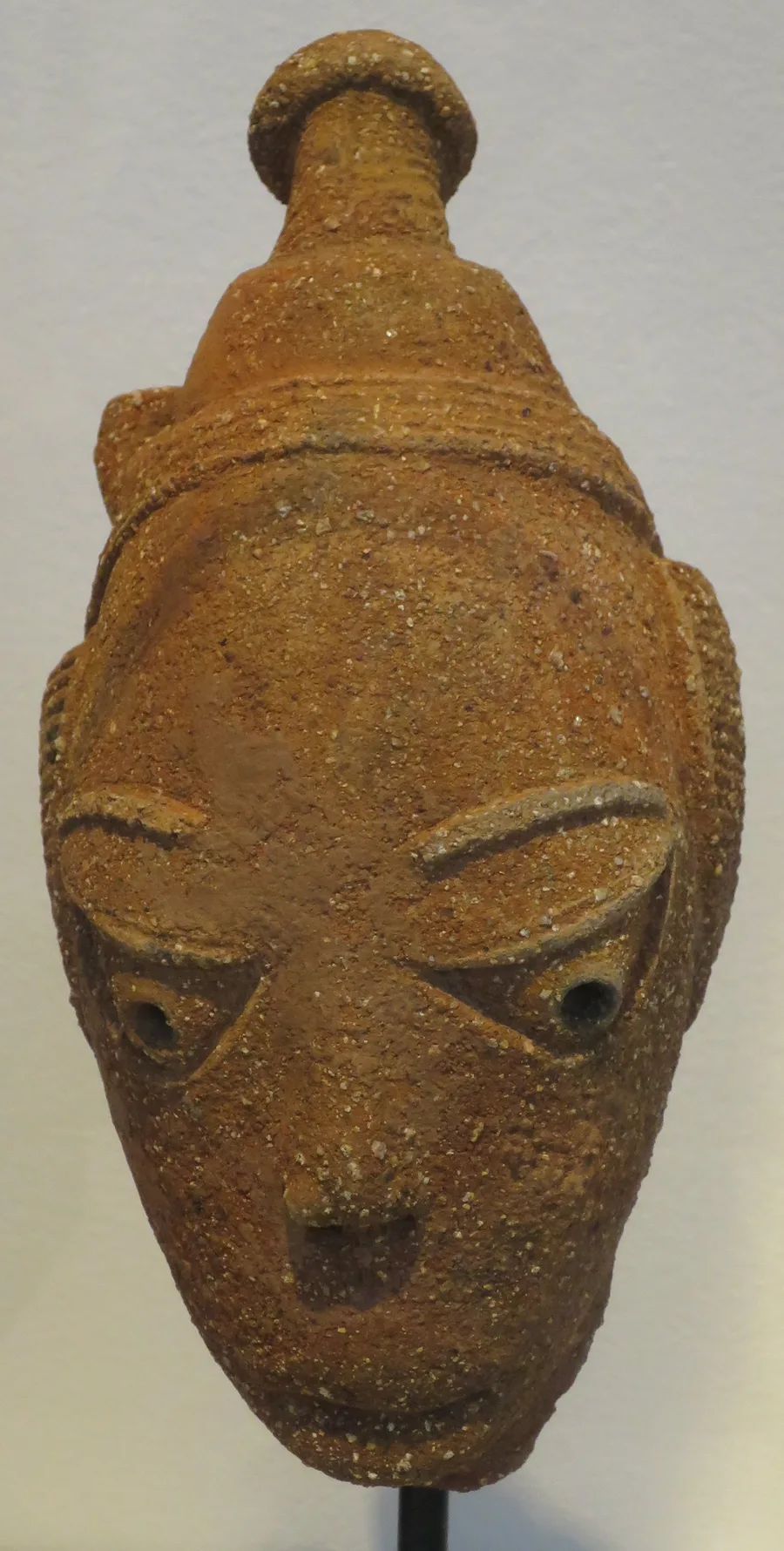
Overview
The Nok culture, named for the village of Nok in southern Kaduna State, Nigeria, where its distinctive terracotta sculptures were first discovered in 1928, represents one of the earliest and most significant artistic traditions in African history — and, excluding ancient Egypt, its terracotta figures are regarded as the earliest known examples of large-scale, three-dimensional figurative sculpture anywhere on the African continent. Nok culture is believed to have emerged as early as 1500 BCE and persisted for roughly a millennium and a half, with its earliest known terracotta sculptures dating to around 900 BCE — meaning Nok artists were producing sophisticated figurative art nearly three thousand years ago.
Art, Trade, and Daily Life
Nok terracotta sculptures depict a detailed record of their makers’ lives: figures wielding slingshots, bows, and arrows point to hunting practices, while a sculpture depicting two paddling figures in a dugout canoe, one wearing what appears to be a seashell, suggests Nok communities participated in river-based trade networks along tributaries of the Niger River that may have extended all the way to the Atlantic coast. Nok potters also appear to have used their ceramic vessels in traditional medicine, processing roots and bark into medicinal preparations — evidence of a culture with sophisticated craft production integrated into everyday economic, spiritual, and medical life, not simply art produced for its own sake.
A Tradition That Shaped Centuries of West African Art
Nok settlements were often built on mountaintops, and archaeologists believe Nok artisans independently developed iron metallurgy between roughly 750 and 550 BCE — ironworking that arose in West Africa on its own timeline rather than being introduced from outside the continent. Nok’s terracotta tradition likely shaped the later sculptural cultures of Bura in Niger, Koma in Ghana, Igbo-Ukwu and Ile-Ife in Nigeria, and Jenne-Jeno in Mali, each emerging in the centuries after Nok’s own decline; scholars remain uncertain exactly where the Nok people originated, though the crops they cultivated, especially millet, point toward roots in the Sahel region to the north.
Legacy
Nok’s terracotta tradition stands as direct, physical evidence that sophisticated large-scale figurative sculpture developed independently in sub-Saharan Africa millennia before European contact, predating and likely influencing the artistic traditions of later, better-known West African sculptural cultures, including the terracotta and bronze work later associated with Ife and Benin. Nok sculptures are held today in major museum collections worldwide as some of the most important surviving works of ancient African art, and ongoing archaeological research continues to refine understanding of exactly how this culture’s technical and artistic achievements developed over its long history.
Related
- Aksum Empire
- Kingdom of Benin
- Kingdom of Buganda
- Kingdom of Burundi
- Kingdom of Dahomey
- Ethiopian Empire (Solomonic Dynasty)
More in Arts