c. 1170 CE – 1897 CE
Kingdom of Benin
West African kingdom (1180–1897)
Date range and summary are drafted from Wikidata pending a scholarly-source verification pass — treat as approximate, not settled fact, until re-sourced from academic historians/archaeologists.
Overview
The Kingdom of Benin was one of the oldest and most developed states in the coastal hinterland of West Africa, ruled from its capital at Edo — today’s Benin City, Nigeria — for roughly nine centuries. (It has no historical relationship to the modern Republic of Benin, formerly Dahomey, which took the name only in 1975.) The kingdom grew out of an earlier Edo polity called Igodomigodo, whose rulers were known as Ogiso, “rulers of the sky,” before a new dynasty under the Oba Oranmiyan established the title of Oba for Benin’s kings around the 13th century — a title its traditional rulers hold to this day.
A Golden Age of Art and Trade
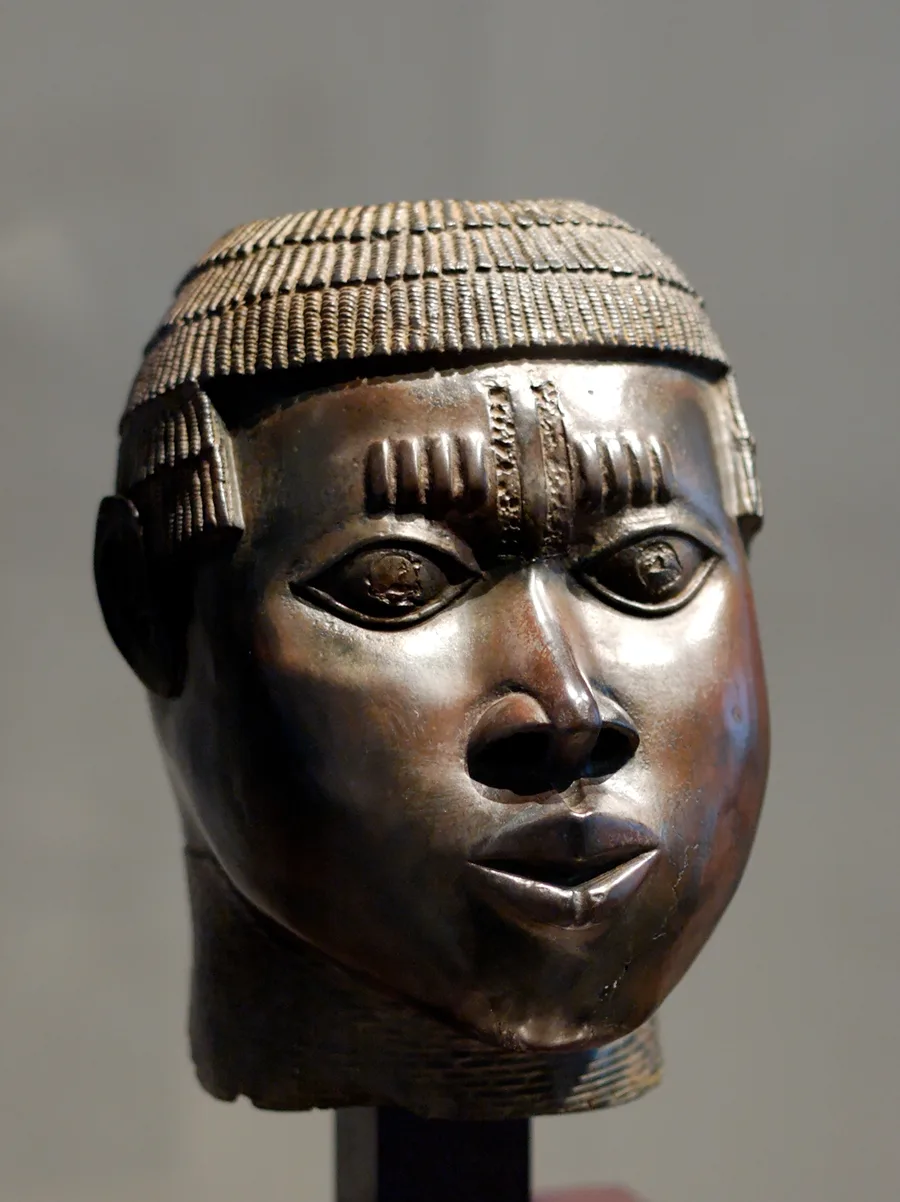
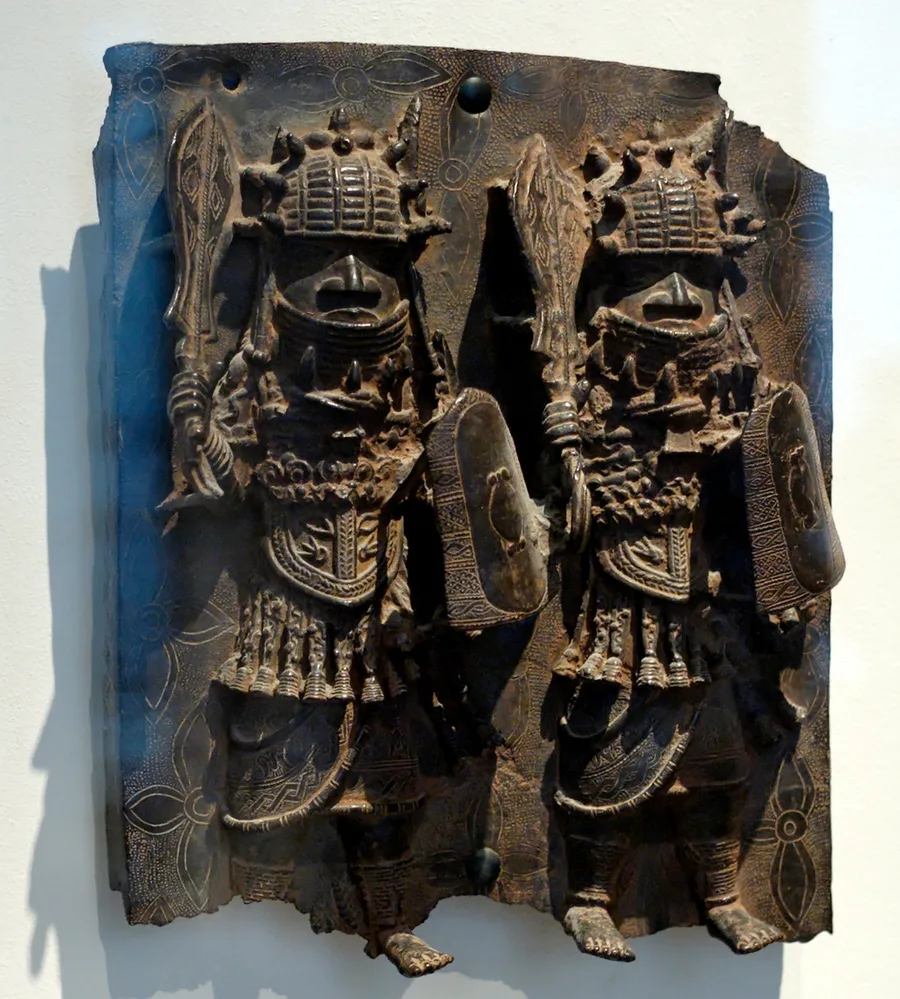
Benin reached the height of its prosperity in the 15th and 16th centuries, expanding its territory and establishing trade relationships with Portuguese and other European powers arriving on the West African coast. This era produced one of the most celebrated artistic traditions in African history: master craftsmen working in cast bronze, brass, iron, and carved ivory produced sculptural portraiture, ceremonial objects, and historical plaques of extraordinary technical sophistication — artistry that stunned European observers accustomed to underestimating African civilizations, and that art historians today rank among the great achievements of world sculpture.
The 1897 Punitive Expedition and the Benin Bronzes
Benin’s independence ended in 1897, when a British force of 1,200 men under Sir Harry Rawson invaded and captured Benin City in retaliation for the killing of a British delegation that had approached the city despite the Oba’s request to postpone the visit during a religious festival. The invading force deliberately destroyed parts of the city, and — critically — looted the royal palace’s art collection as war booty. Thousands of these sculptures, now known collectively as the Benin Bronzes, were sold off to defray the expedition’s costs; many ended up in the British Museum and other institutions around the world, separated from the kingdom that created them for well over a century.
Endurance and Return
Oba Ovonramwen, exiled to Calabar after the invasion, died there in 1914; his son Eweka II was eventually permitted to return and rebuild the royal palace, reestablish Benin’s craft guilds, and found the Benin Arts and Crafts School to train new generations of artists in traditions the British had tried to destroy. Benin continued as a non-sovereign monarchy inside colonial and then independent Nigeria, its Oba retaining major cultural and political influence. In recent years that endurance has produced real results: beginning in 2021, institutions in Germany, Scotland, and elsewhere have announced the return of looted Benin Bronzes to Nigeria, an ongoing restitution process that stands as a direct, still-unfolding continuation of the kingdom’s centuries-long story.