c. 1585 CE – 1889 CE
Luba Kingdom
pre-colonial (8th century (700s)–1889) Central African state that arose in the Upemba Depression
Date range and summary are drafted from Wikidata pending a scholarly-source verification pass — treat as approximate, not settled fact, until re-sourced from academic historians/archaeologists.
Overview
The Luba Kingdom, or Luba Empire, was a major pre-colonial state of Central Africa that arose in the Upemba Depression, a marshy grassland region in what is now southern Democratic Republic of the Congo. Its roots run deep: archaeology shows the Upemba Depression continuously inhabited since at least the 4th century CE, first by iron-working farming communities, and the region’s economy grew steadily more sophisticated over the following centuries as its people mastered fishing with nets and harpoons, dugout canoe construction, and fish-drying techniques that let them trade preserved fish to neighboring savanna communities.
From Villages to a Kingdom
By the 10th century, Upemba’s communities had diversified into a combined economy of fishing, farming, and metalworking, trading iron goods and salt for imported copper, charcoal, glass beads, and cowry shells that had traveled inland from the distant Indian Ocean coast — clear evidence of Luba’s participation in long-distance African trade networks centuries before European contact. Congolese historians and oral traditions place Luba statehood’s origins anywhere from the 8th to the 15th century, while some Western scholars have proposed later dates; the range of scholarly opinion reflects the difficulty of dating a state built primarily on oral historical tradition, a difficulty this site’s editorial standards require noting openly rather than presenting any single date as settled fact. What the evidence does support is a clear process: as lineages grew, the priestly “lords of the land” who managed relationships with ancestral spirits accumulated authority over multiple villages, and these local powers were gradually absorbed — by negotiation or by force — into a larger, unified kingdom.
Legacy
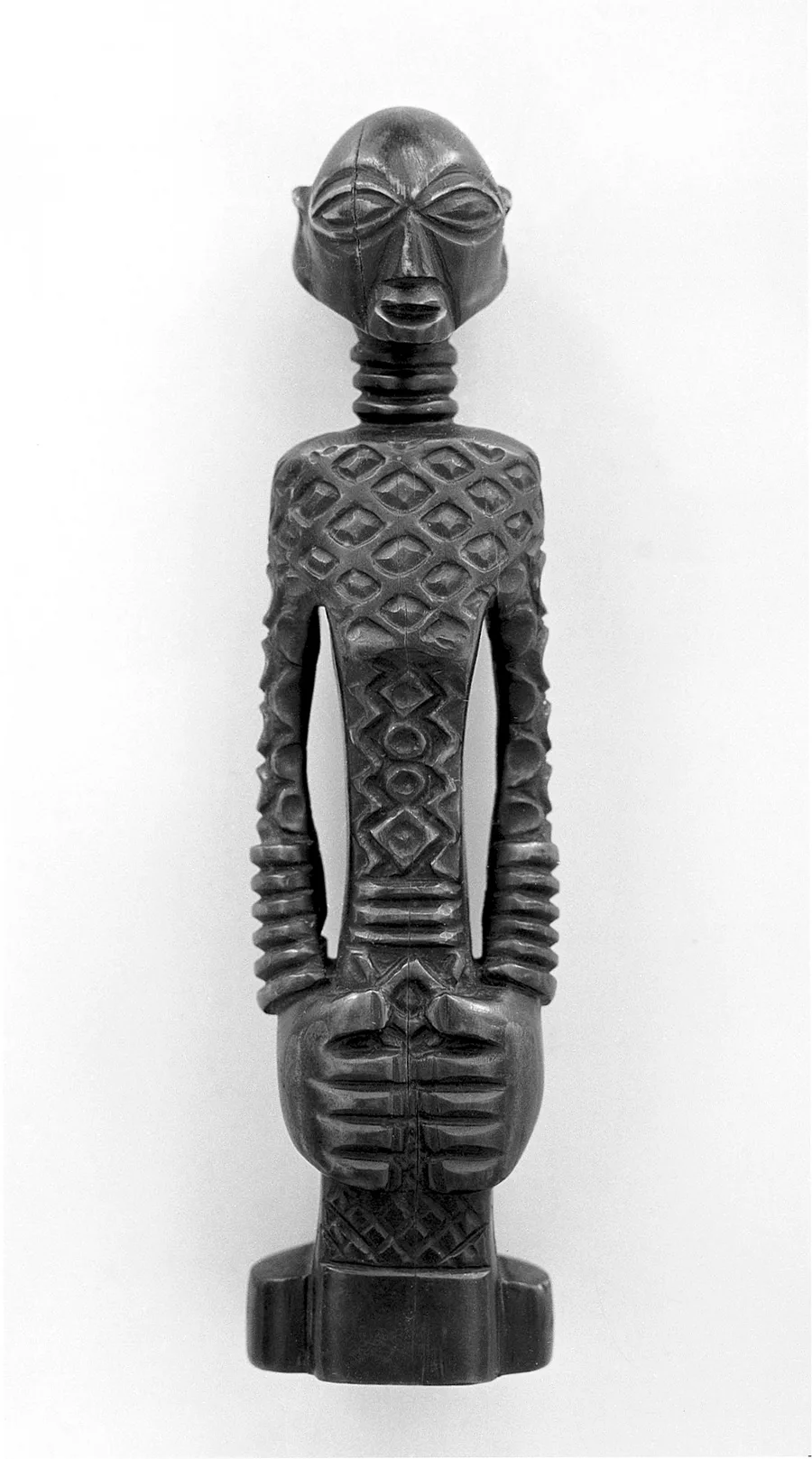
The Luba Kingdom endured as a major Central African power into the 19th century, and its influence extended well beyond its own borders: Luba political and religious concepts of sacred kingship, and its systems of governance built around councils of titled officials, directly shaped the political organization of neighboring states, including the Lunda Empire founded in part by Luba political emigrants. Luba art — particularly its finely carved ivory and wooden ceremonial objects tied to royal authority and ancestor veneration — remains among the most studied and celebrated sculptural traditions of Central Africa, held today in museum collections worldwide as evidence of the kingdom’s sophistication.