c. 1625 CE – 1900 CE
Kuba Kingdom
kingdom in Central Africa (1625–1884)
Date range and summary are drafted from Wikidata pending a scholarly-source verification pass — treat as approximate, not settled fact, until re-sourced from academic historians/archaeologists.
Overview
The Kuba Kingdom, also known as the Kingdom of the Bakuba, was a sophisticated Central African state that flourished between the 17th and 19th centuries in the region bordered by the Sankuru, Lulua, and Kasai Rivers, in what is now the Democratic Republic of the Congo — and, remarkably, the kingdom still exists today, presided over by a king known as the nyim, one of the relatively few pre-colonial African monarchies with an unbroken line into the present. The kingdom began as a loose conglomeration of Bushong-speaking chiefdoms alongside the Kete, Coofa, Mbeengi, and Kasai Twa peoples — nineteen ethnic groups in total — with no central authority, until it was unified under a single ruler in the early 17th century.
Shyaam a-Mbul and a New Government
Around 1625, a man named Shyaam a-Mbul a Ngoong — remembered in tradition as the adopted son of a Kuba queen who had traveled west to the Pende and Kongo kingdoms to study their governance before returning home — united the region’s scattered chiefdoms under his leadership and built entirely new political institutions. The government he established was strikingly sophisticated for its era: a merit-based title system, an unwritten constitution, elected political offices, separation of powers, a judiciary with courts and juries, a police force, and organized taxation that funded public goods and social support programs — a level of institutional complexity that directly challenges any assumption that formal constitutional governance was a European import to Africa rather than an achievement some African societies built independently.
Prosperity, Art, and Legacy
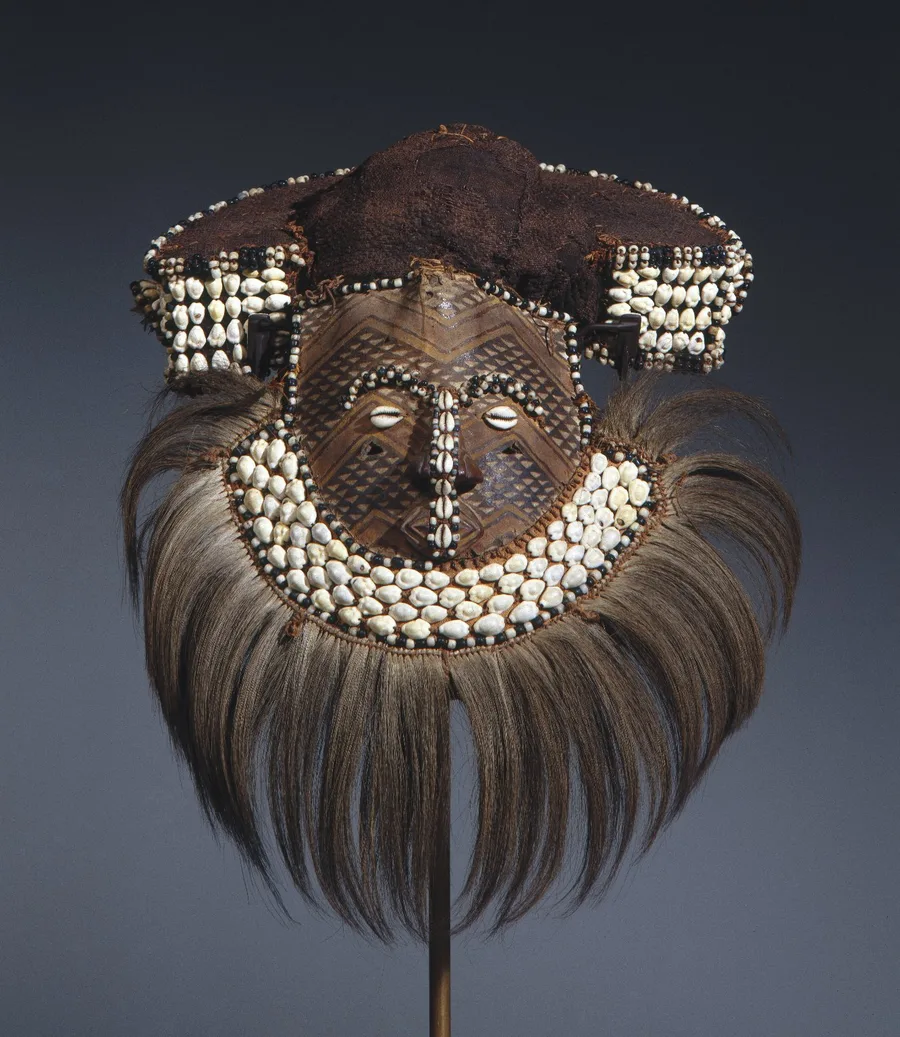
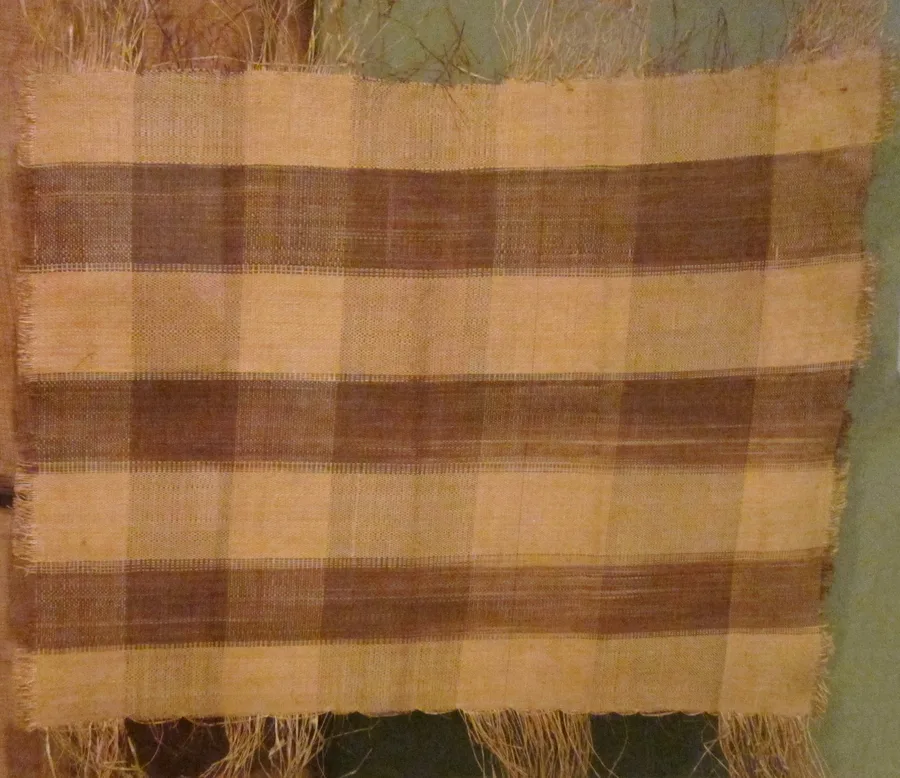
As the kingdom matured, it absorbed new agricultural techniques and New World crops — maize, cassava, tobacco, and beans, introduced via Atlantic trade networks — that boosted its agricultural output and, in turn, its wealth. That prosperity fueled one of Central Africa’s great artistic traditions: Kuba nobility commissioned elaborate ndop royal portrait sculptures, raffia textiles woven in intricate geometric patterns, and ceremonial masks and objects of exceptional craftsmanship, some of which were reserved exclusively for royal ceremony and were even buried alongside kings as markers of status. Kuba textiles and sculpture remain among the most recognized and celebrated African art forms in museum collections worldwide, and the kingdom’s living royal institution continues to play a cultural role in Congolese society today.