West African Kingdoms Era
occurrences and people in West Africa throughout history
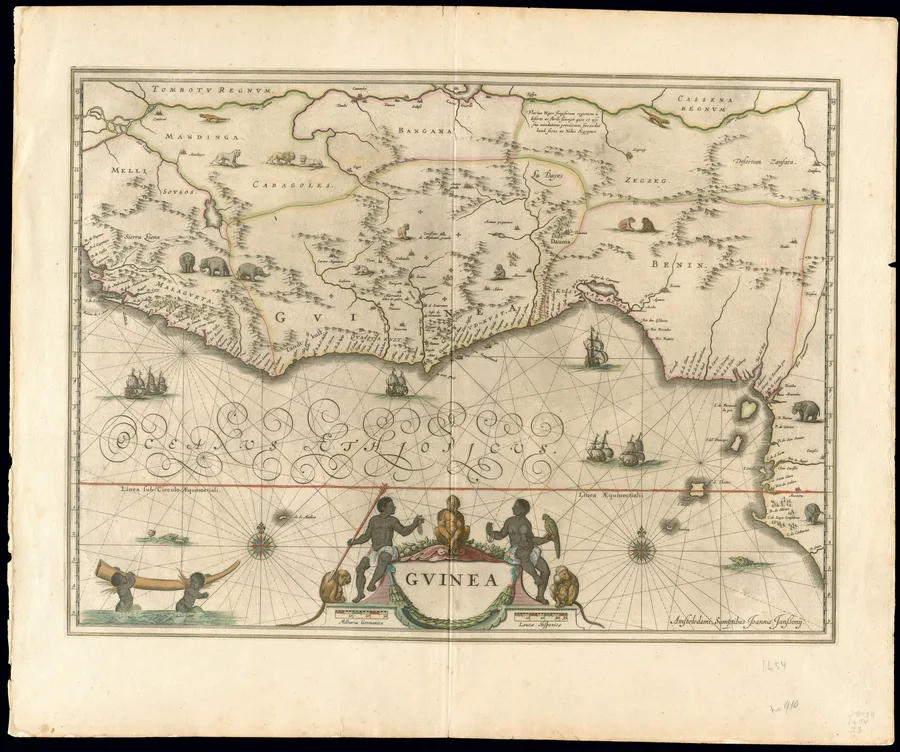
Overview
West Africa’s deep history stretches back far further than any of its famous medieval empires: archaic human toolmakers are believed to have inhabited the region as early as 780,000 years ago, and by the Late Stone Age, West African hunter-gatherer communities occupied the coastal forest zone by around 12,000 years before present, later migrating north as far as modern Mali, Burkina Faso, and Mauritania as the regional climate shifted. This long, continuous human presence — not a late or externally introduced arrival — is the true foundation beneath the empires most visitors associate with West Africa’s pre-colonial history.
Iron, Trade, and Early States
West Africa developed its own independent iron-smelting and forging industry remarkably early, with evidence of iron production dating as far back as 2631 BCE, and by roughly 400 BCE the region was already in regular contact with Mediterranean civilizations, exporting gold, cotton, metal goods, and leather in exchange for copper, horses, salt, and textiles. Distinct early cultures took shape across the region during this period, including the Tichitt culture (2200–200 BCE) and the Nok culture (1500 BCE–500 CE), whose terracotta sculpture stands among the earliest large-scale figurative art anywhere in Africa, while Serer communities in present-day Senegal and Gambia built the Senegambian stone circles between the 3rd century BCE and the 16th century CE — a monumental funerary tradition whose full purpose is still studied today.
From Local Polities to Empires — and Onward
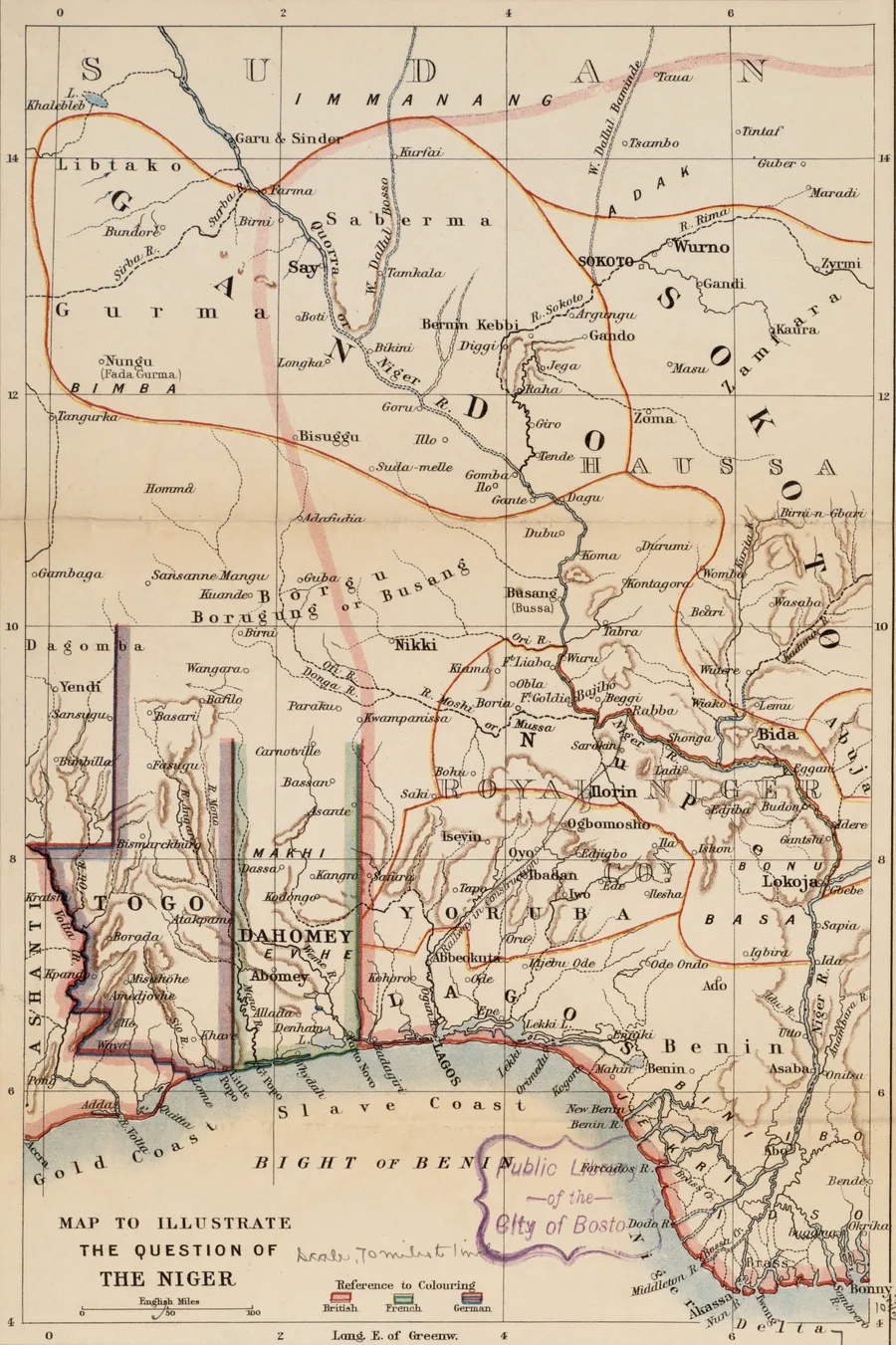
Out of this deep foundation of iron-working, trade, and early urbanism grew the great trading empires this site profiles individually — Ghana, Mali, Songhai, and the forest-zone kingdoms of Benin, Oyo, and Dahomey — each a distinct society with its own government, religion, and history, not interchangeable chapters of one undifferentiated story. Colonial-era boundaries drawn in the late 19th century cut directly across these older ethnic and political lines, and the borders of the modern West African nations still reflect that colonial imposition rather than the region’s own pre-colonial political geography. Understanding West Africa’s kingdoms on their own terms, and the more than a millennium of independent state-building that preceded them, is central to this site’s mission of treating pre-colonial Africa as a subject in its own right rather than as backstory.
Related entries
More in Politics