The Transatlantic Slave Trade
slave trade across the Atlantic Ocean during the early modern period (late 15th century to the early 19th century)
This page discusses the transatlantic slave trade and its human toll.
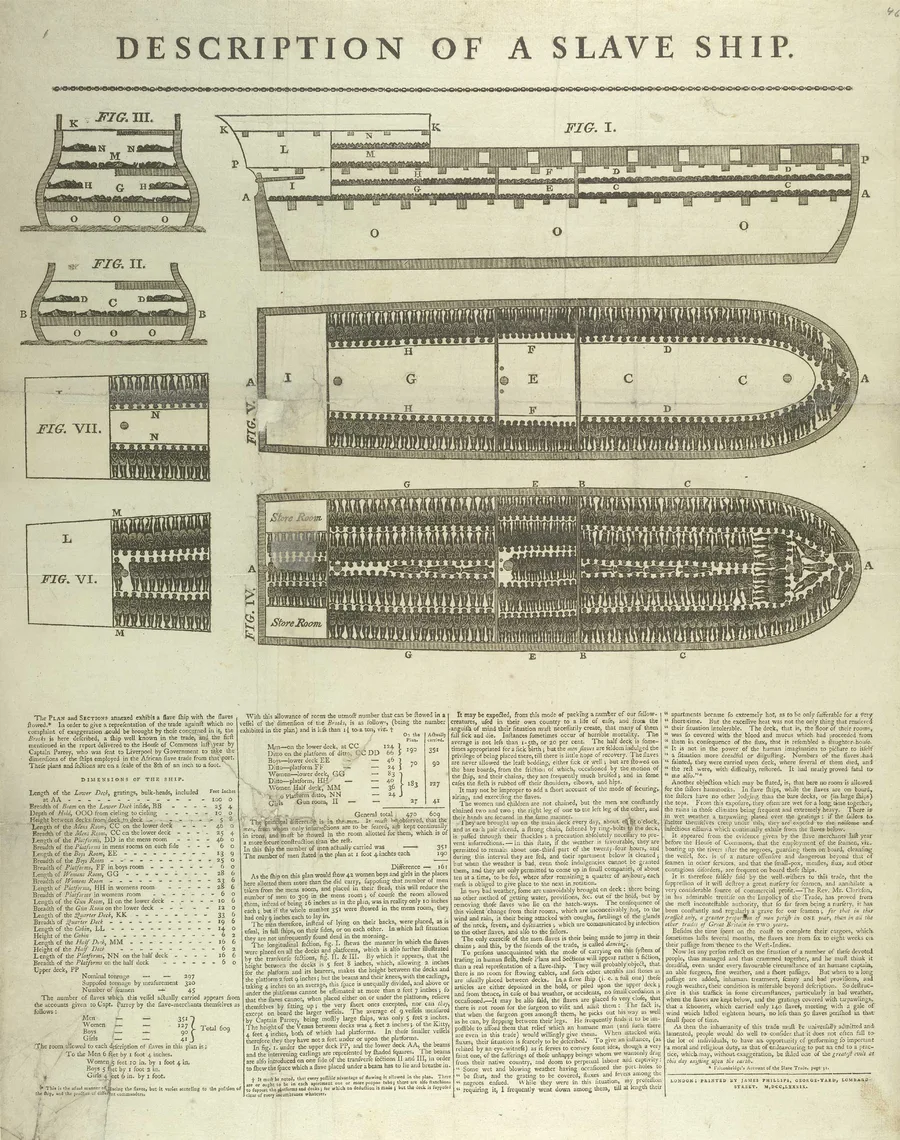
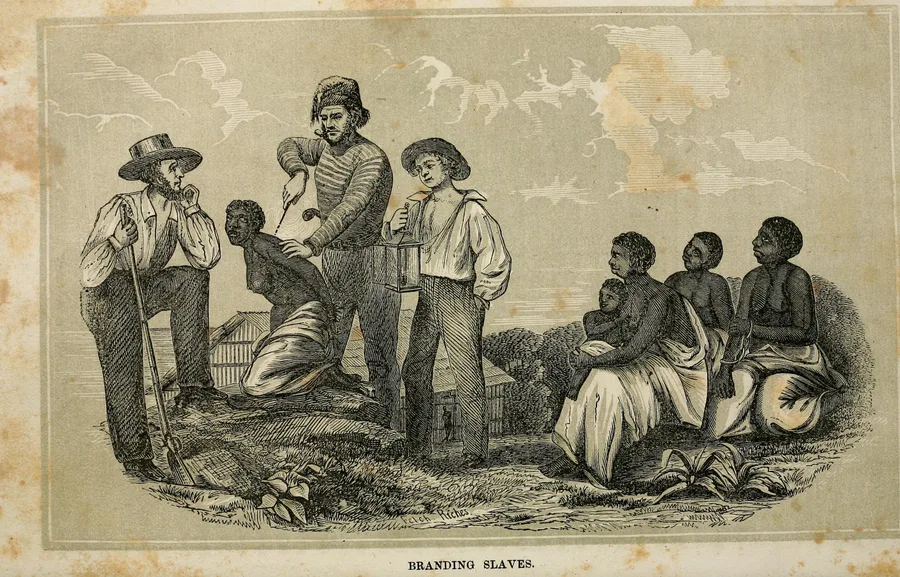
Overview
The transatlantic slave trade forcibly transported millions of Central and West Africans to the Americas between the 16th and 19th centuries, a system of human trafficking that European trading nations and American colonizers built to supply labor for plantations, mines, and other enterprises across the Americas. European colonizers, facing a shrinking Indigenous American population decimated by disease and a shortage of European laborers willing to emigrate, turned to a labor system already used on the sugar plantations of Madeira and the Canary Islands: enslaved Africans, transported by ship and sold into forced labor. This page states those facts plainly and then turns, as every page on this era of history should, to what enslaved Africans and their descendants built, preserved, and achieved in spite of it.
How the Trade Operated
The trade’s mechanics reveal an uncomfortable but historically important fact: enslavers did not simply raid the African coast for captives. European and American traders generally purchased captives from African and Arab merchants who controlled the supply chain on the continent, with direct European raiding actively discouraged as inefficient and dangerous. Portuguese traders built coastal barracoons to hold purchased captives awaiting shipment, while northern European traders more often used their ships themselves as holding points — a difference that meant longer, more brutal confinement for those held on northern European vessels. Enslaved people transported across the Atlantic were sold into forced labor on coffee, tobacco, cotton, and sugar plantations, in mines, in construction, and as domestic servants — work whose profits built enormous wealth for enslavers and trading nations while their intended victims received none of it.
Resistance, Survival, and What Followed
From the earliest crossings, enslaved Africans resisted: shipboard rebellions occurred throughout the trade’s history, and once in the Americas, enslaved communities organized revolts, built maroon societies in remote terrain beyond enslaver control, and preserved African languages, religious practices, kinship structures, and cultural knowledge under conditions designed to erase them — the deep roots connecting African American culture to specific African societies, which this site documents throughout its Pre-Colonial Africa section, survived because enslaved people fought to keep them alive. The trade’s end came through sustained, organized abolitionist pressure — detailed on this site’s dedicated Abolition Movement and Underground Railroad pages — culminating in Britain’s 1807 slave trade ban, the United States’ 1808 prohibition on new imports, and the Union’s full emancipation of enslaved Americans by 1865. The resilience, cultural preservation, and eventual freedom struggles that followed this trade are the larger story this site exists to tell.
Related entries
More in Civil Rights