The Negro Leagues Era
former United States professional baseball leagues
Overview
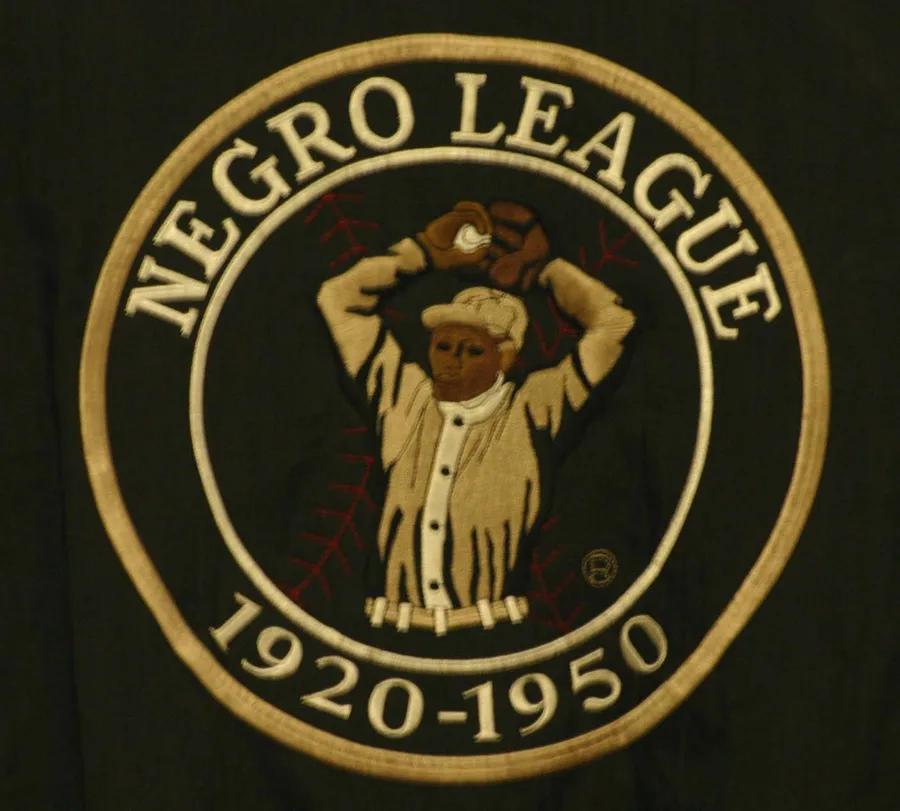
The Negro leagues were professional baseball leagues built by and for African American players after a discriminatory “color line” excluded Black athletes from Major League Baseball and its affiliated minor leagues beginning in the late 19th century. Rather than accept exclusion, Black players and organizers built an entirely independent, self-sustaining professional sports institution: the first Negro National League was founded in 1920 by Rube Foster, and ultimately seven distinct Negro major leagues operated over the following three decades, employing generations of elite Black athletes shut out of the segregated major leagues by rule rather than by ability.
Elite Athletes, Full Recognition at Last
The quality of play in the Negro leagues was, by any honest measure, major-league caliber — a fact Major League Baseball itself formally acknowledged in December 2020, when it reclassified the seven Negro major leagues as official major leagues alongside the previously recognized American and National Leagues, incorporating the statistics of approximately 3,400 Negro leagues players into the sport’s official historical record. That recognition produced striking results when MLB fully integrated Negro leagues statistics into its records in May 2024: Josh Gibson’s 1943 season now stands as the highest single-season batting average in MLB history at .466, and his career average of .372 ranks as the highest ever recorded — statistical proof, a century later, of talent segregation had tried to erase from the record.
Black Baseball Before There Was a “Negro League”
Organized Black baseball predates the Negro National League by more than six decades: the first known game between two Black teams took place November 15, 1859, in New York City, before the Civil War, when the Henson Base Ball Club of Jamaica, Queens defeated the Unknowns of Weeksville, Brooklyn 54–43. A thriving Black baseball scene grew across the East and Mid-Atlantic during Reconstruction, and the terminology evolved alongside the sport itself: early teams were described as “colored” leagues, and only by the 1920s and 1930s did “Negro” become the standard term, following NAACP advocacy for capitalizing the word as a matter of basic respect — the same terminology shift reflected in the league’s eventual name.
Legacy
The Negro leagues declined after Jackie Robinson’s 1947 integration of Major League Baseball began drawing the game’s best Black talent into the previously all-white majors, with the last fully competitive Negro league season generally dated to 1951. But the institution’s legacy is now permanently secured in the official record of American baseball history — not as a separate, lesser tier of the sport, but as major league baseball itself, played by Black athletes who built their own league, on their own terms, when the sport’s white establishment refused to let them compete on equal footing, tracing back to Black ballplayers organizing their own games even before slavery’s end.
Related entries
More in Sports