1929–1939
The Great Depression and Black America
severe economic crisis in the USA in the 1930s
This page discusses the Great Depression's disproportionate impact on Black American communities.
Overview
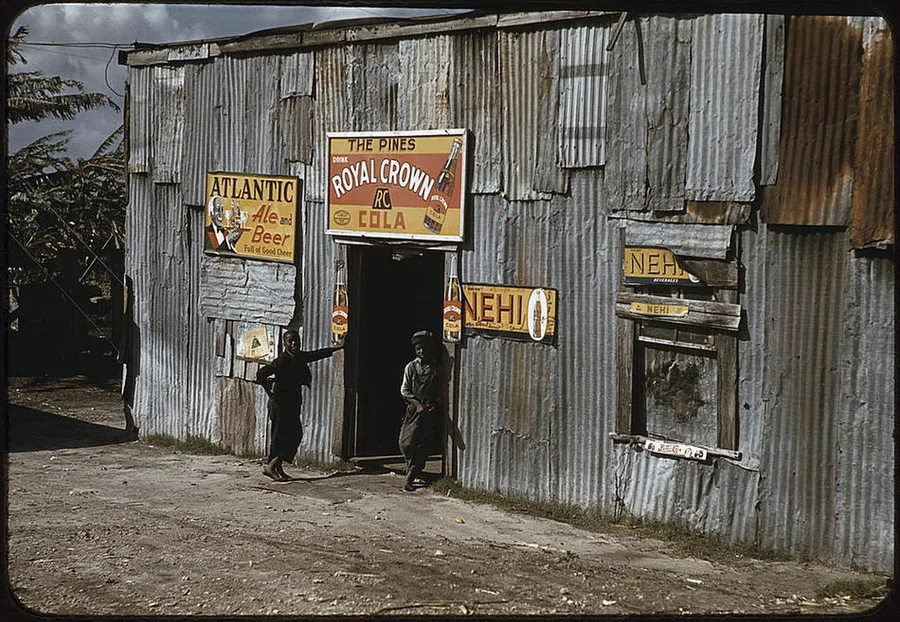
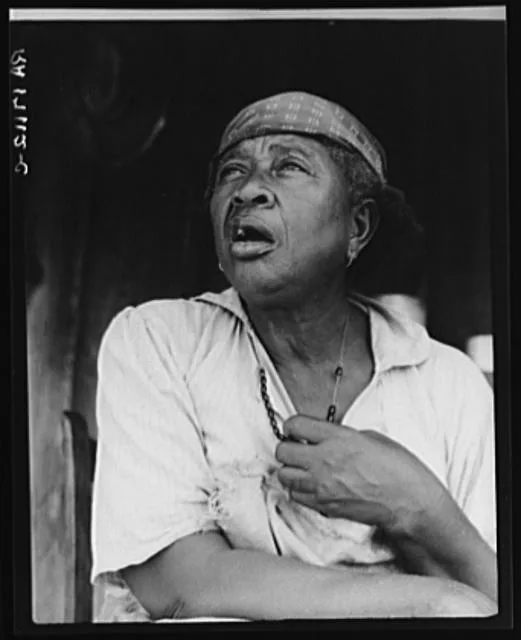
The Great Depression, generally dated from the October 1929 stock market crash through recovery around 1940, brought a decade of mass unemployment, poverty, and economic hardship to the United States — and, as documented in the historical record, Black American communities were among the hardest hit by this crisis even as their suffering often went comparatively unnoticed and underserved by the relief systems built to address it.
Hoovervilles and Segregated Relief
Homeless Americans of the era who did not find space in overcrowded, poor-quality municipal shelters or unreliable soup kitchens often ended up in self-organized shantytowns nicknamed “Hoovervilles,” after President Herbert Hoover; in a striking historical detail, these informal settlements sometimes brought people of different socio-economic backgrounds together in a way “very uncommon during the time of segregation,” a documented exception to the era’s otherwise rigid racial boundaries. That exception did not extend to the North’s formal relief infrastructure: many municipal shelters turned away Black applicants outright, others sat in neighborhoods Black residents could not safely or practically reach, and in much of the South, public shelters and relief services for African Americans were effectively nonexistent.
A Community-Built Response
Facing a government relief system that failed to serve them equitably, Black communities built their own response — churches and Black-run mutual aid organizations operated soup kitchens and shelters that filled the gap federal and municipal programs left open, a direct, documented example of community self-reliance under conditions of both economic collapse and active racial exclusion.
Legacy
The Great Depression’s disproportionate impact on Black Americans, layered onto the existing burdens of Jim Crow segregation, deepened the same economic pressures that were already driving the Great Migration north — even as the communities built during that migration, including Harlem, had to weather the Depression’s arrival just a few years after their own cultural flowering peaked. The mutual aid networks Black churches and community organizations built during this era, born of necessity when official channels failed, represent exactly the kind of documented community resilience this site’s editorial approach prioritizes: not simply hardship endured, but institutions built in direct response to it.
Related entries
More in Civil Rights, Business