1966–1982
The Black Panther Party
US black power organization (1966–1982)
This page discusses political violence, including FBI surveillance and disruption of the Black Panther Party, the killings of party members, and violent confrontations with police.
Overview
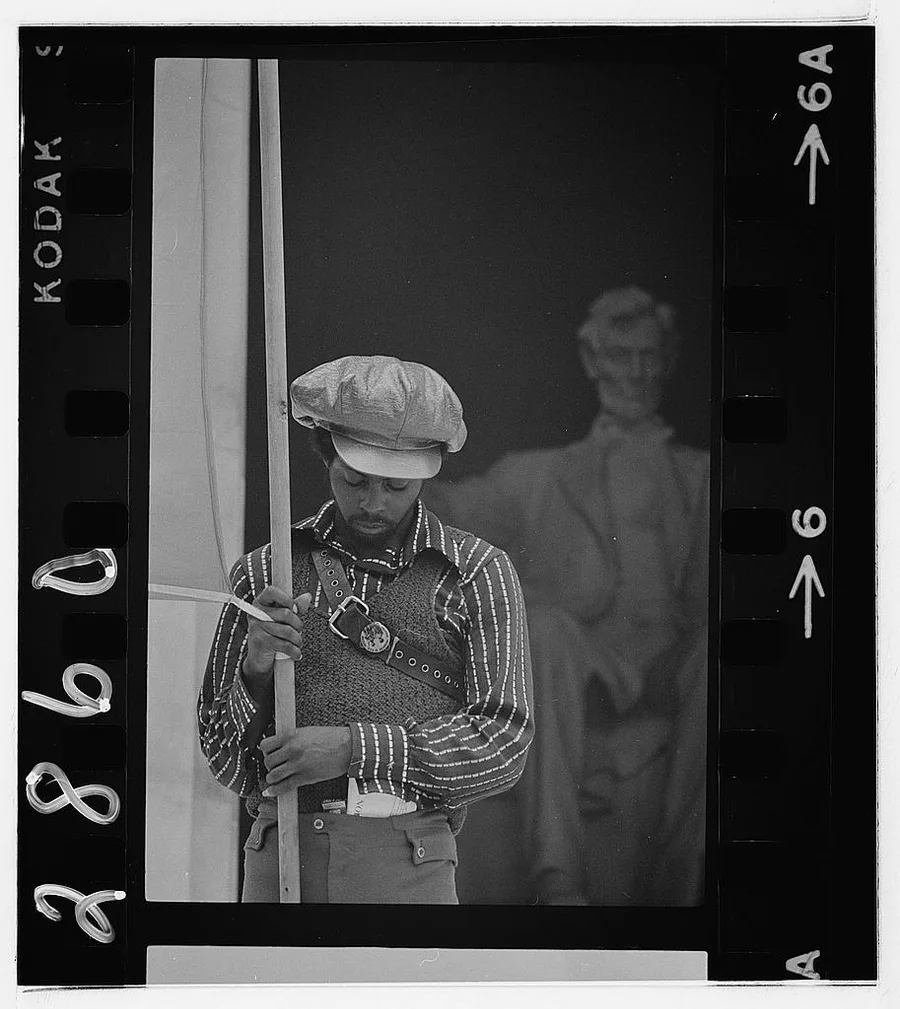
The Black Panther Party (BPP), formerly the Black Panther Party for Self-Defense, was an American Marxist–Leninist and Black power political and militant organization active from 1966 to 1982, founded by Huey P. Newton and Bobby Seale. Between 1968 and 1971 it grew into a nationwide organization with chapters in many major cities, members active in prisons, and international chapters in the United Kingdom and Algeria. The party first drew national attention for openly carrying firearms in Oakland, California, while monitoring police activity, and it advocated for decent housing, community control of education and police, exemption from military service during the Vietnam War, and free breakfast programs that eventually served tens of thousands of poor and working-class families, not only children.
Origins in Oakland
The party’s roots lay in the Second Great Migration, when tens of thousands of Black people left the Southern states during World War II for jobs in Bay Area war industries such as the Kaiser Shipyards, transforming the demographics of Oakland and other Western cities. The generation that grew up there faced new, unfamiliar forms of poverty and segregation even as the civil rights movement dismantled Jim Crow in the South; in 1966, only 16 of Oakland’s 661 police officers were African American, less than 2.5 percent. Huey P. Newton and Bobby Seale met in 1962 as students at Merritt College and joined Donald Warden’s Afro-American Association before growing dissatisfied with its accommodationist politics; in late October 1966 they founded the Black Panther Party for Self-Defense.
Government Repression
In 1969, FBI director J. Edgar Hoover described the Black Panther Party as “the greatest threat to the internal security of the country,” and the FBI ran an illegal, covert counterintelligence program known as COINTELPRO against the party — surveillance, infiltration, perjury, and police harassment intended to undermine and criminalize it. The FBI was involved in the 1969 killings of party members Fred Hampton and Mark Clark during a raid by the Chicago Police Department. Newton and other members were also involved in separate violent confrontations with police, and the party suffered internal conflicts of its own. Party membership peaked in 1970 and declined over the following decade amid press vilification and COINTELPRO-driven infighting.
Legacy
The party’s legacy remains contested among historians: some older accounts describe it as “more criminal than political,” emphasizing “defiant posturing over substance,” while other assessments describe its members as “mainly victims of a repressive state.” Historians Joshua Bloom and Waldo Martin have since characterized the Black Panther Party as one of the most influential Black power organizations of the late 1960s, one whose “eventually tragic evolution” ended in collapse driven partly by government disruption. The party dissolved in 1982, leaving behind a number of splinter groups and unofficial successor organizations.
Related entries
More in Civil Rights, Politics